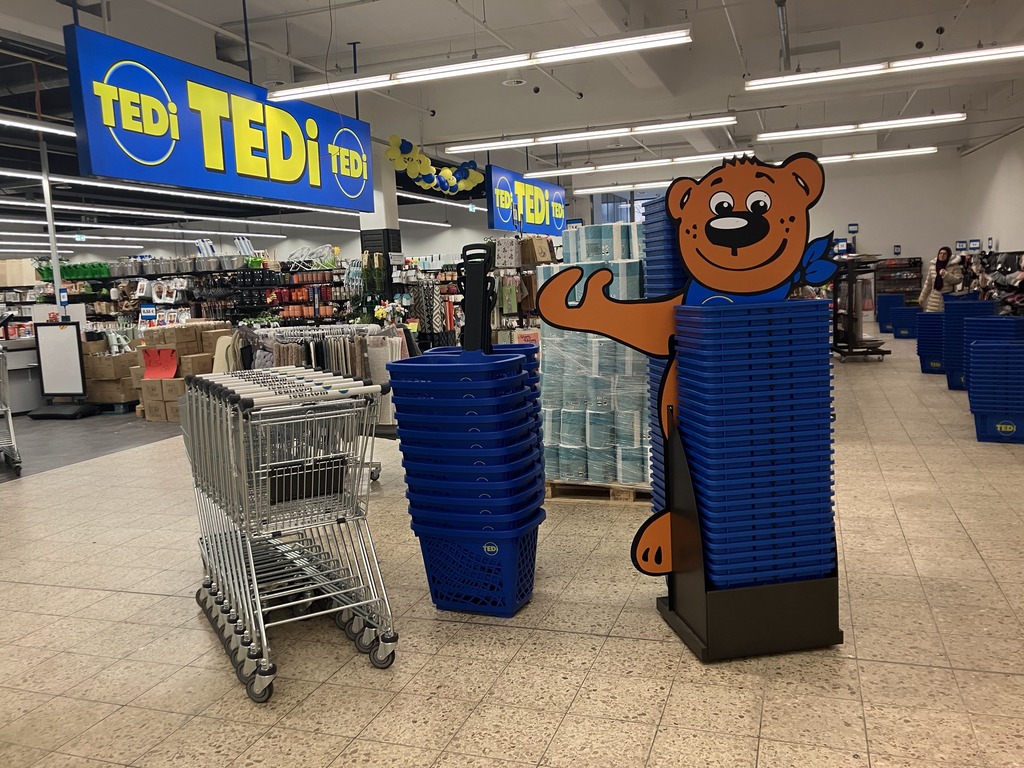
Tedi Scales Fast with an Impulse-Driven Discovery Model
Tedi is building a scalable and highly flexible retail model focused on low-price, high-turnover non-food categories. With more than 2,000 stores in Germany and over 3,300 across Europe, the company is now entering a new phase of expansion. In Poland, Tedi expects to exceed 300 stores by the end of 2025, and at a European level, it aims to grow its network to 10,000 locations—more than tripling its current presence.
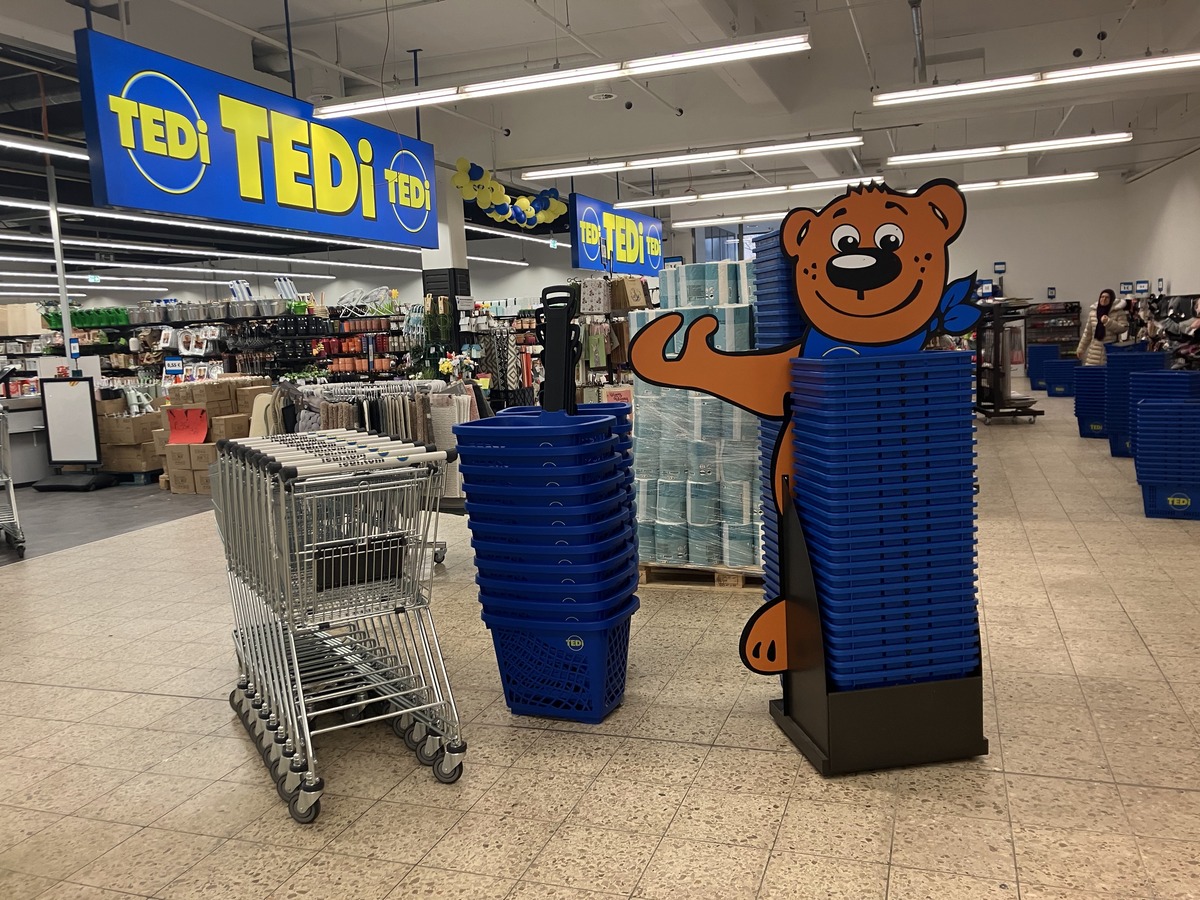
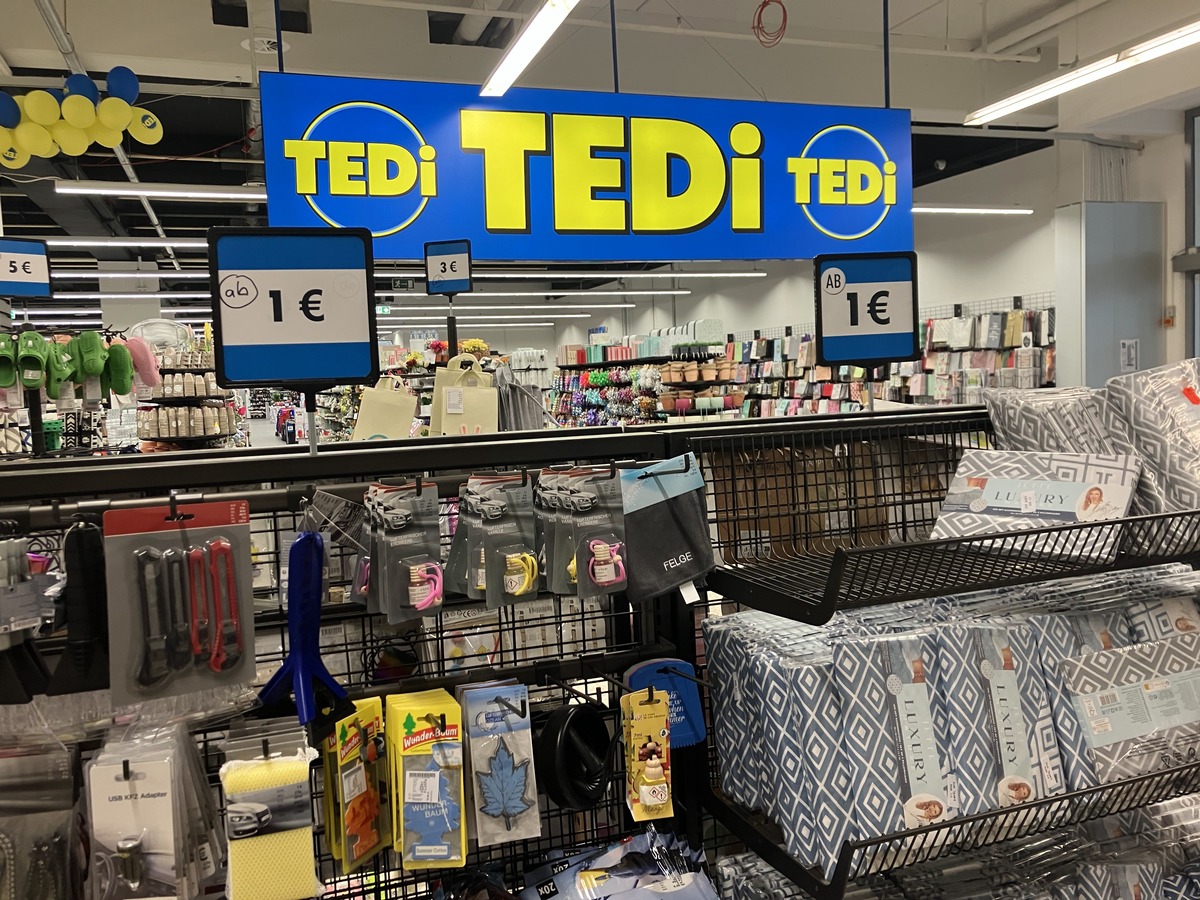
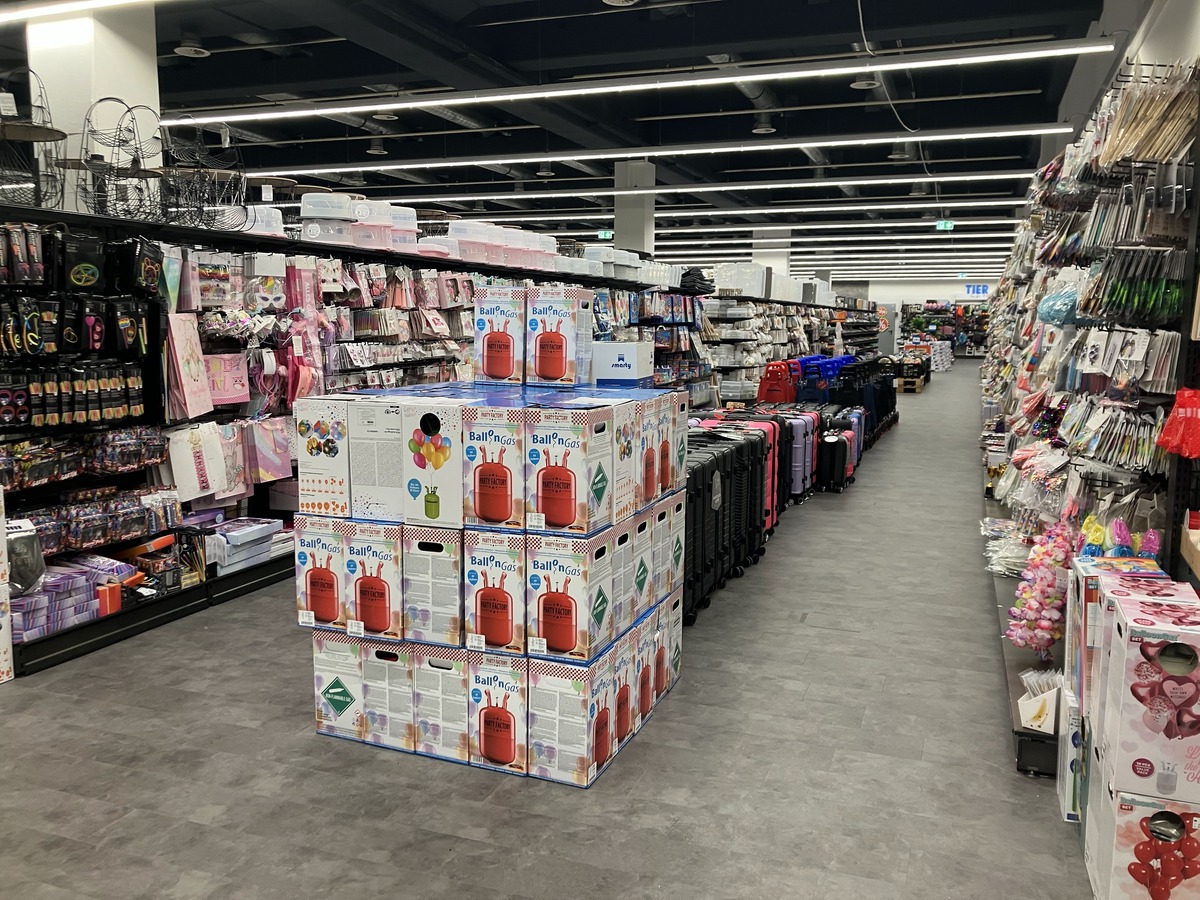
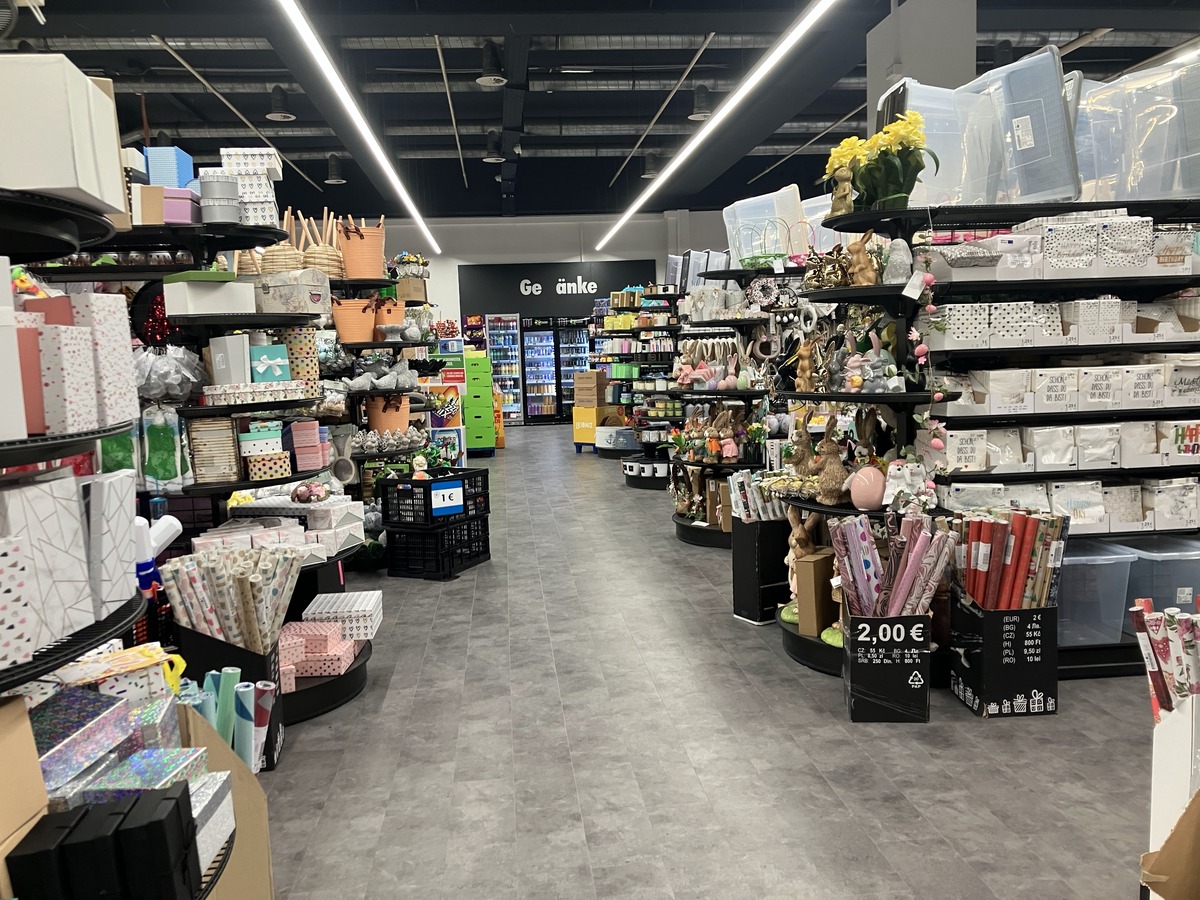
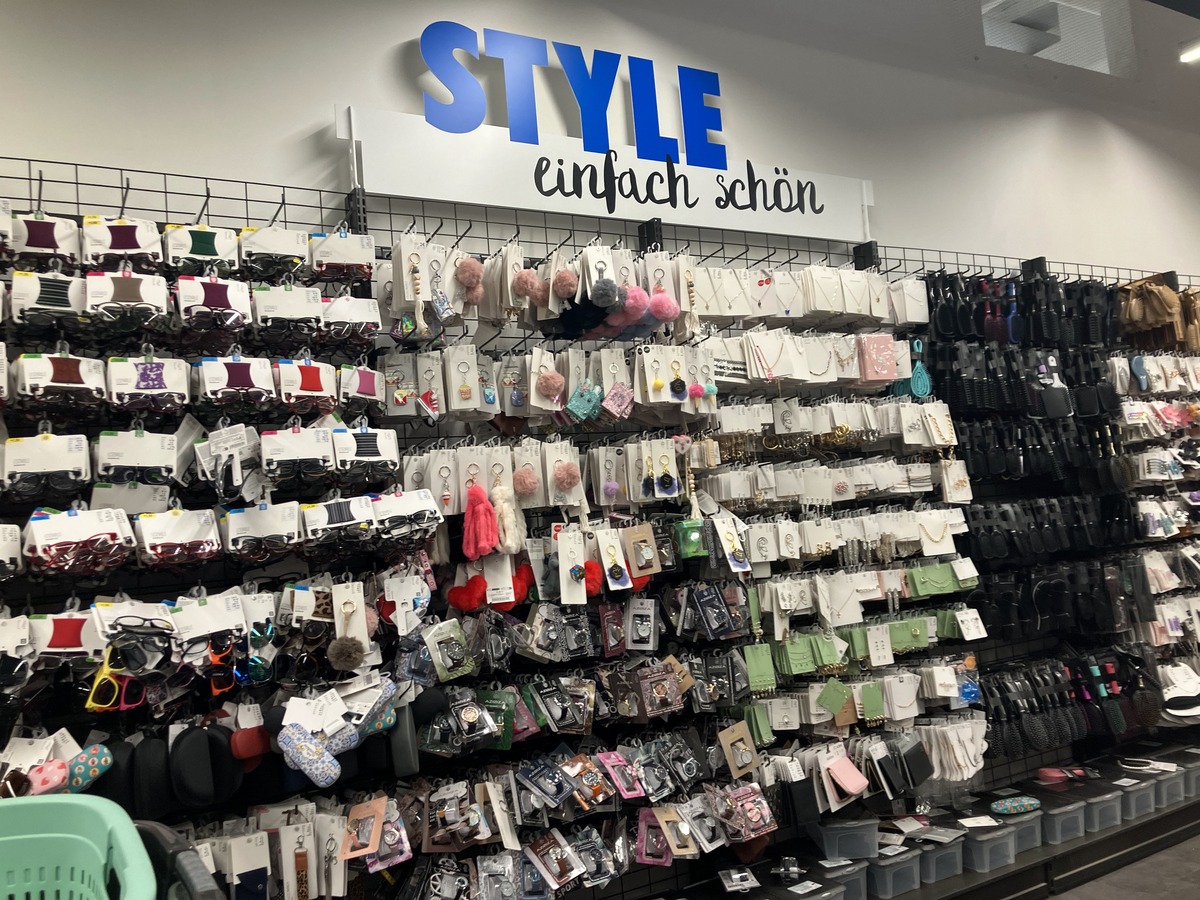
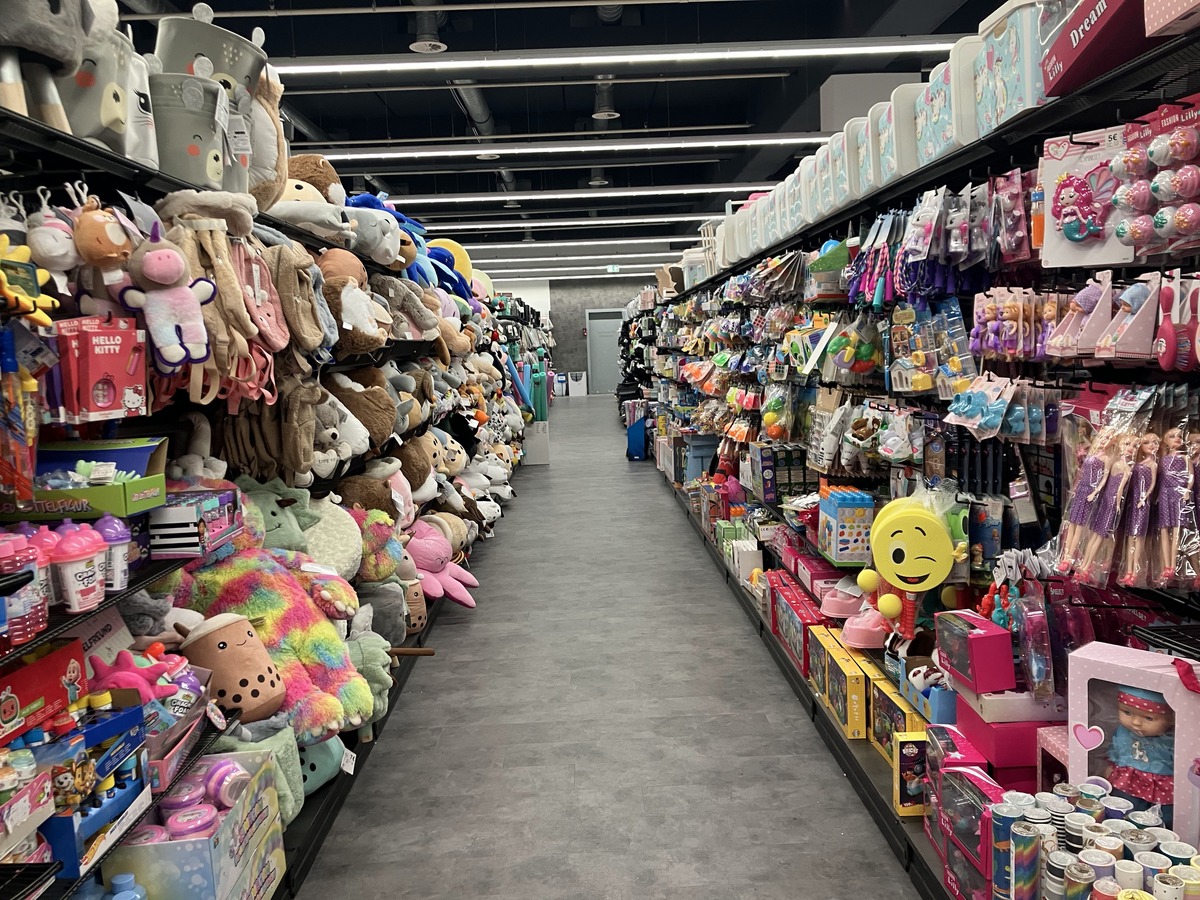
The core strength of Tedi’s store concept lies in creating a shopping environment that encourages discovery and creates surprise. Assortments are curated to support high impulse rates. Unlike competitors who focus on systematic category depth, Tedi emphasises breadth and novelty over continuity. Fashion plays a minor role, with garments and travel goods accounting for less than ten percent of the store layout.
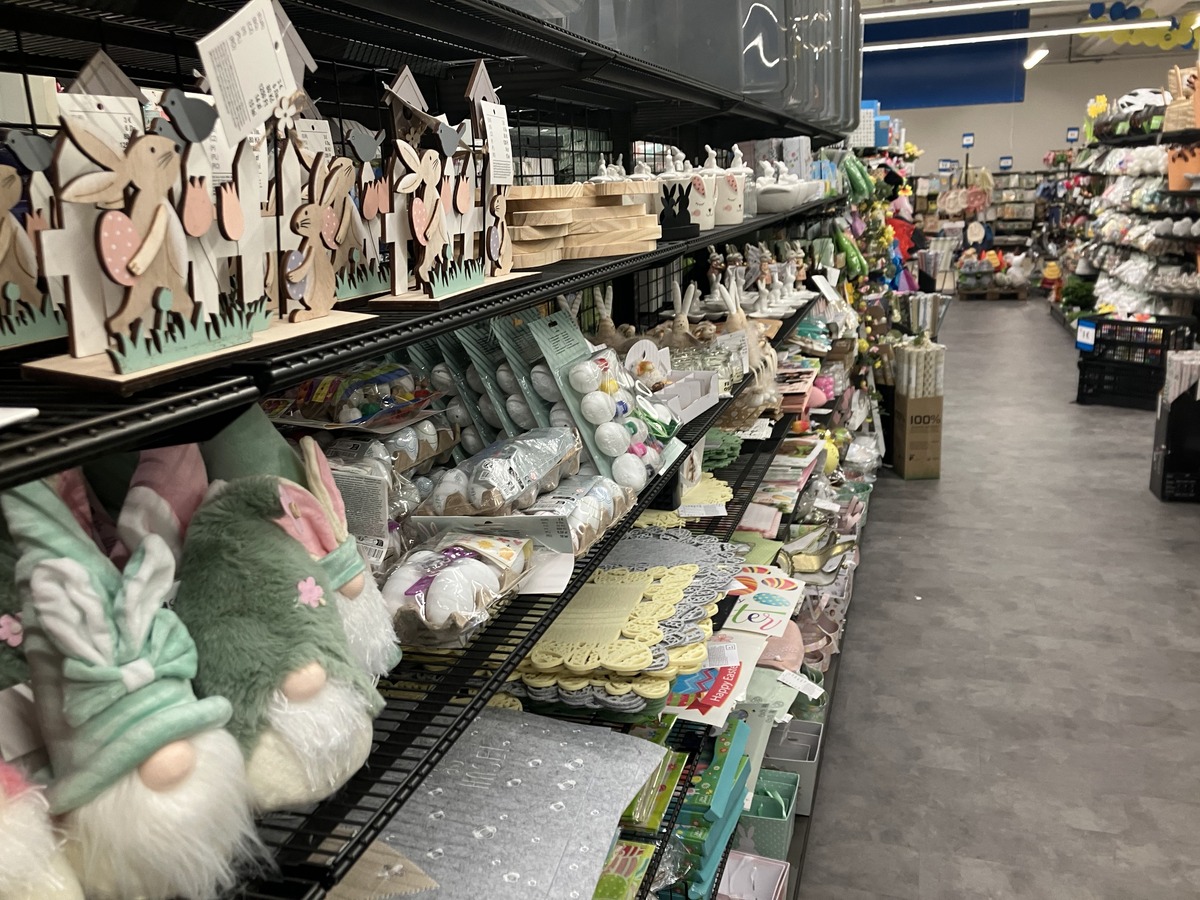
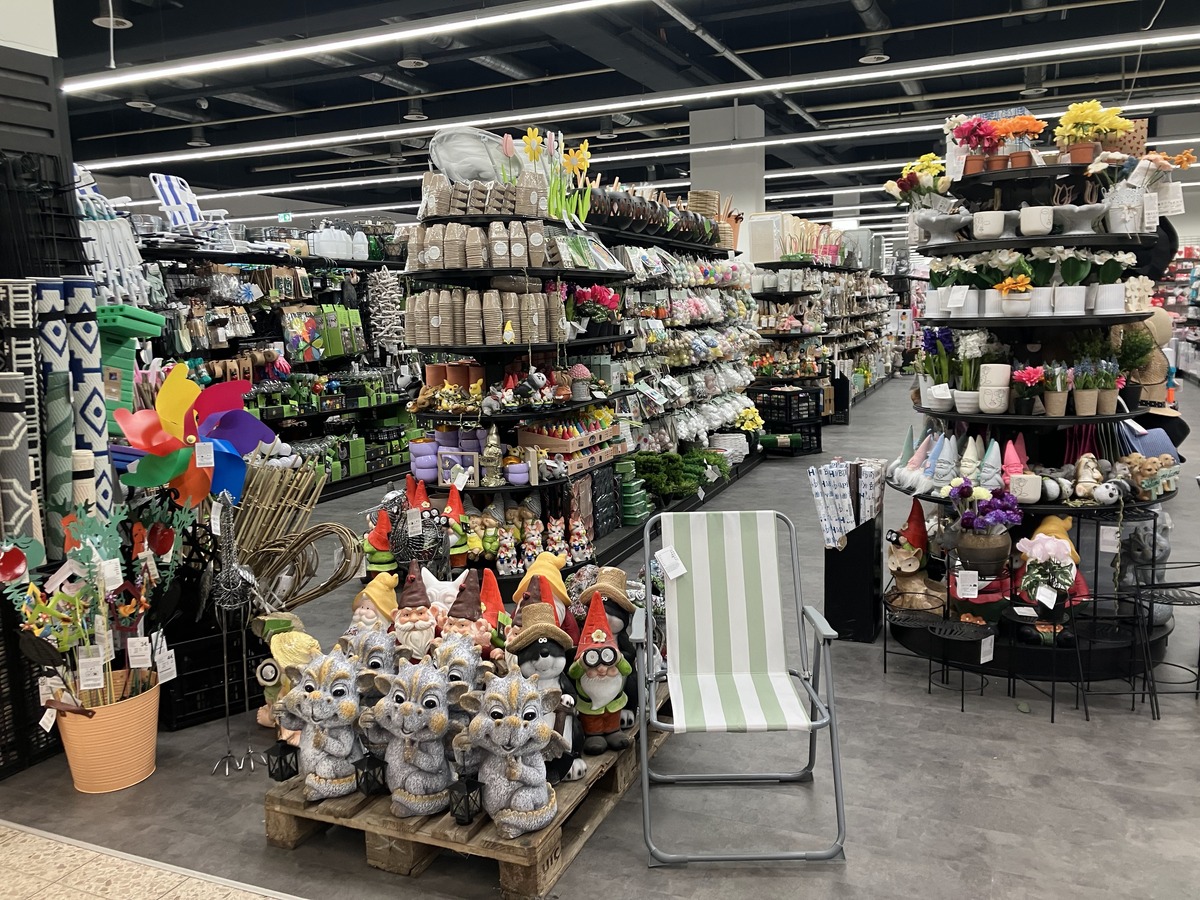
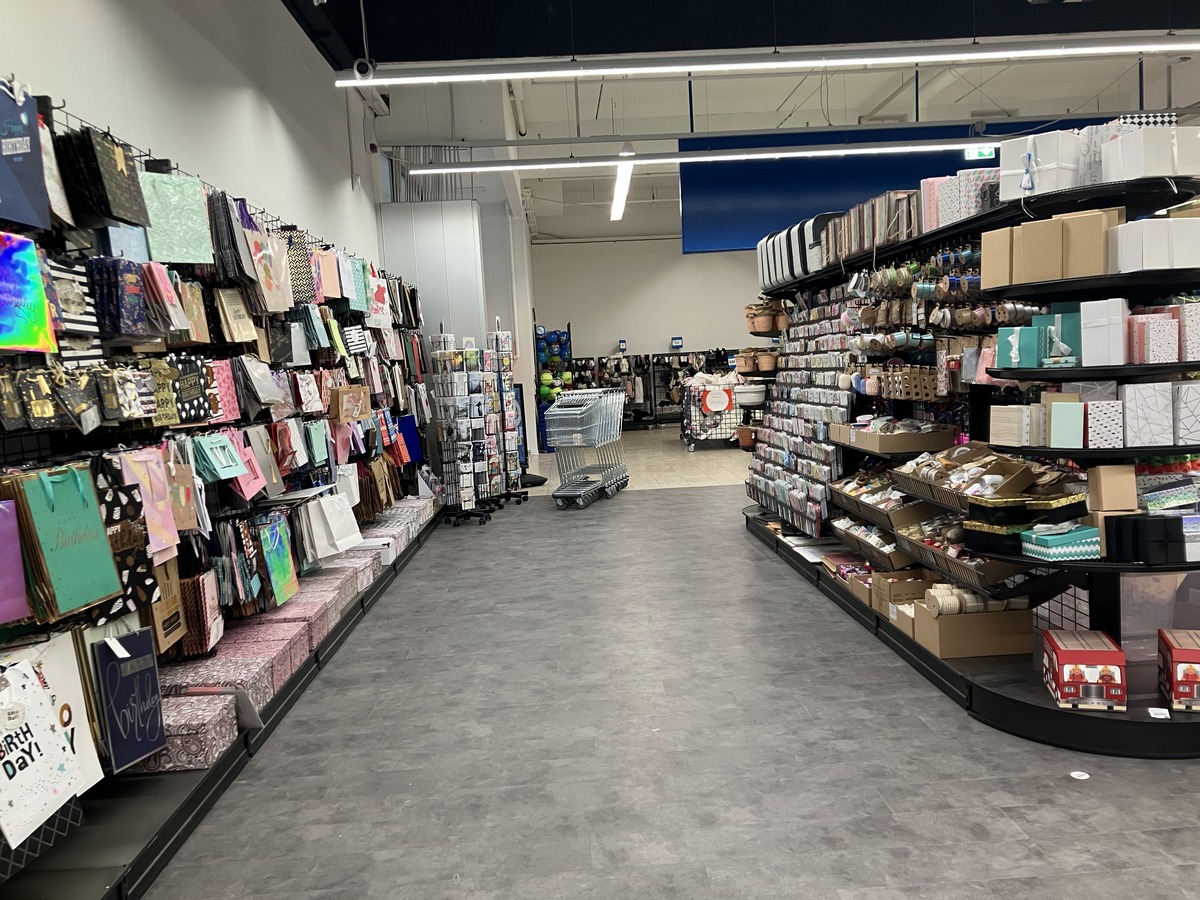
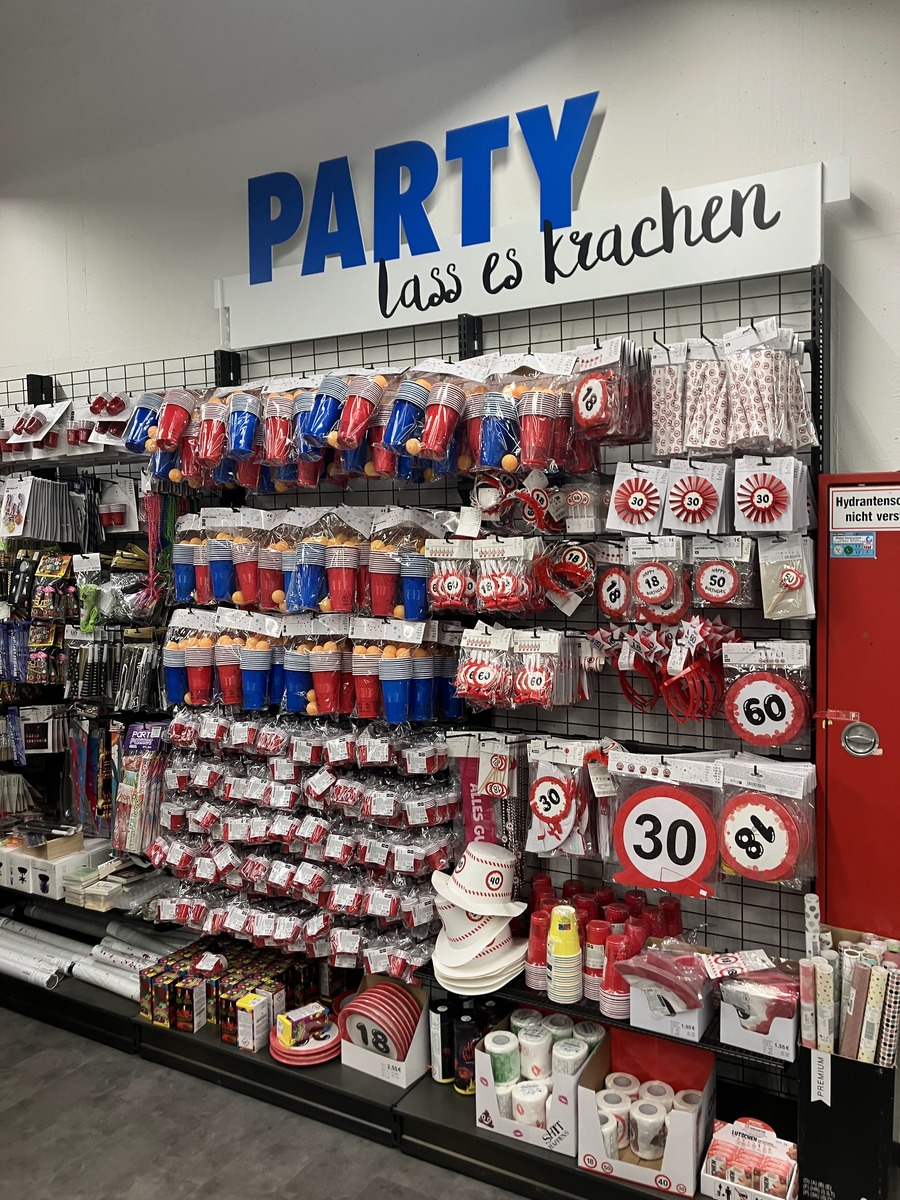
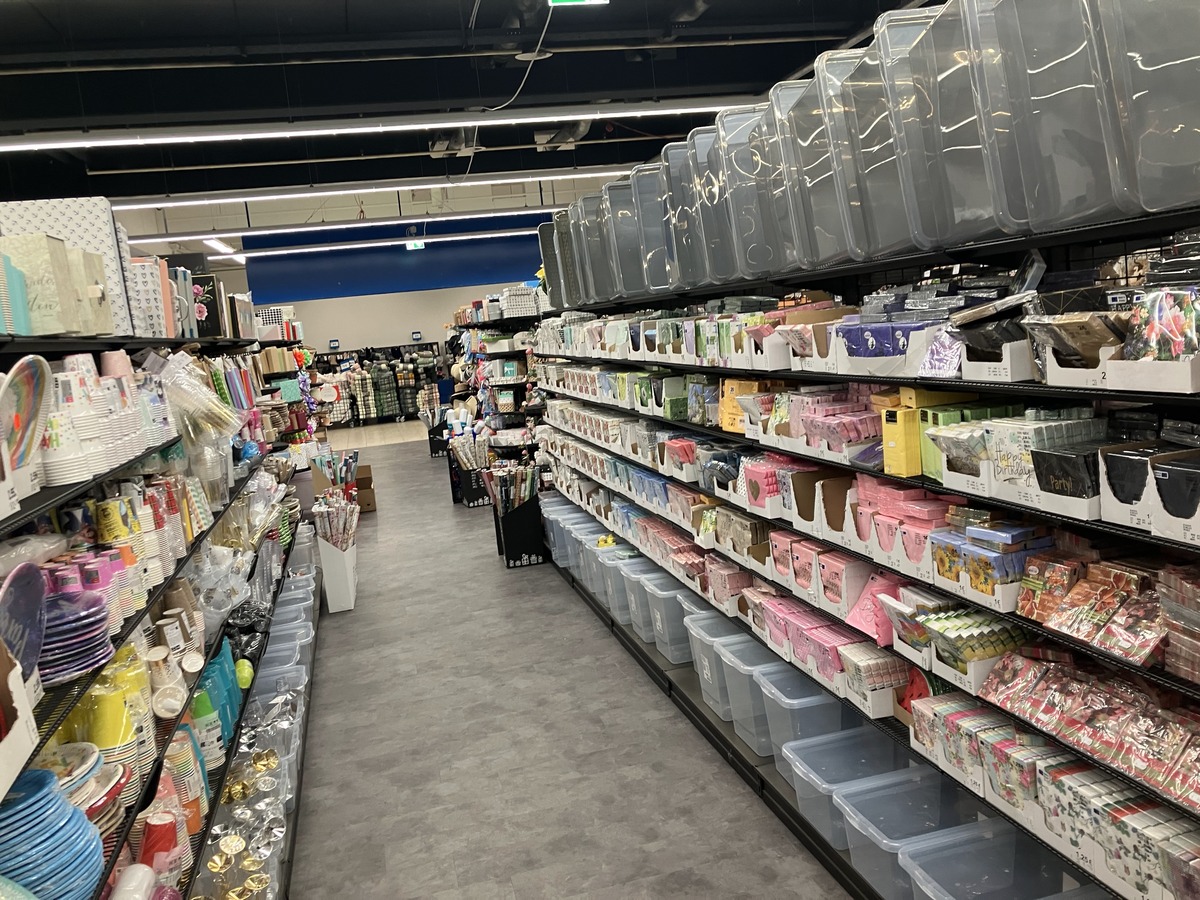
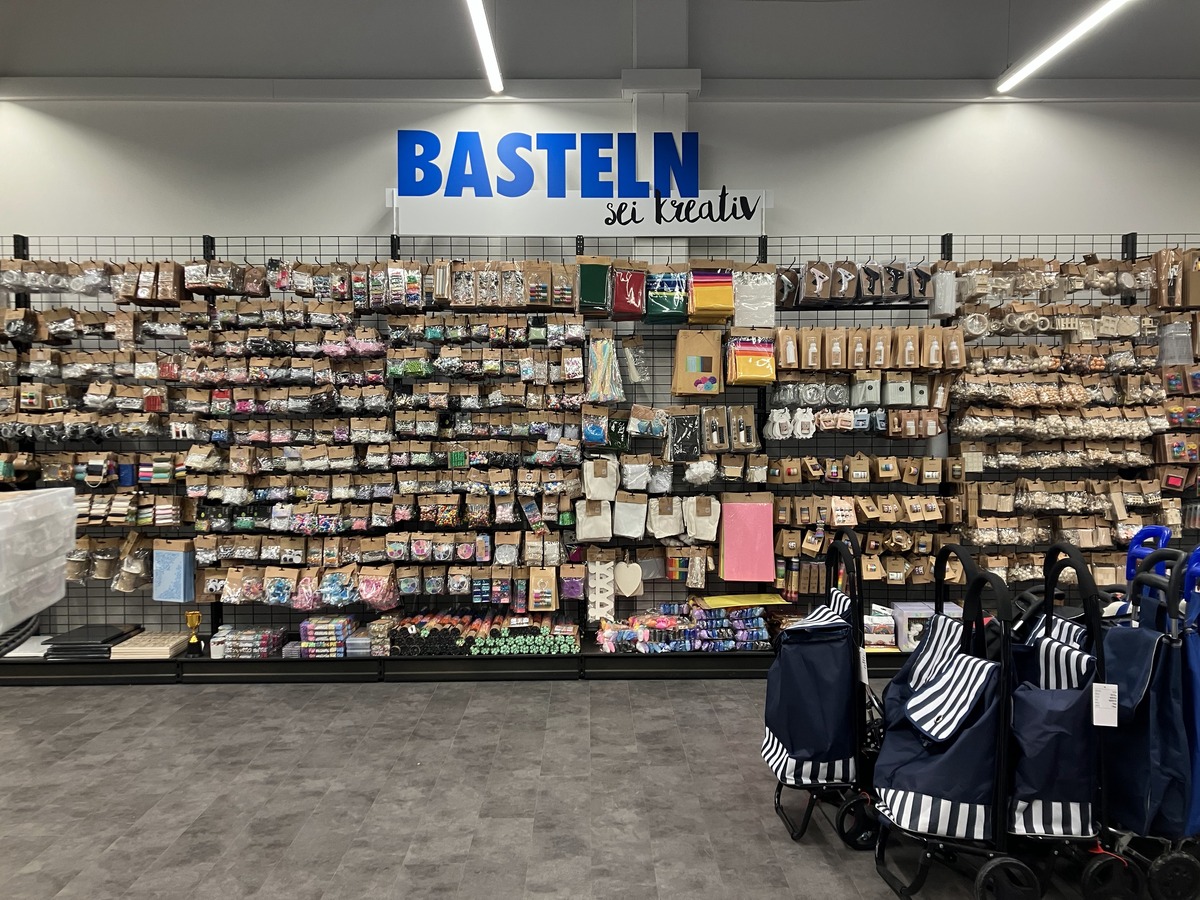
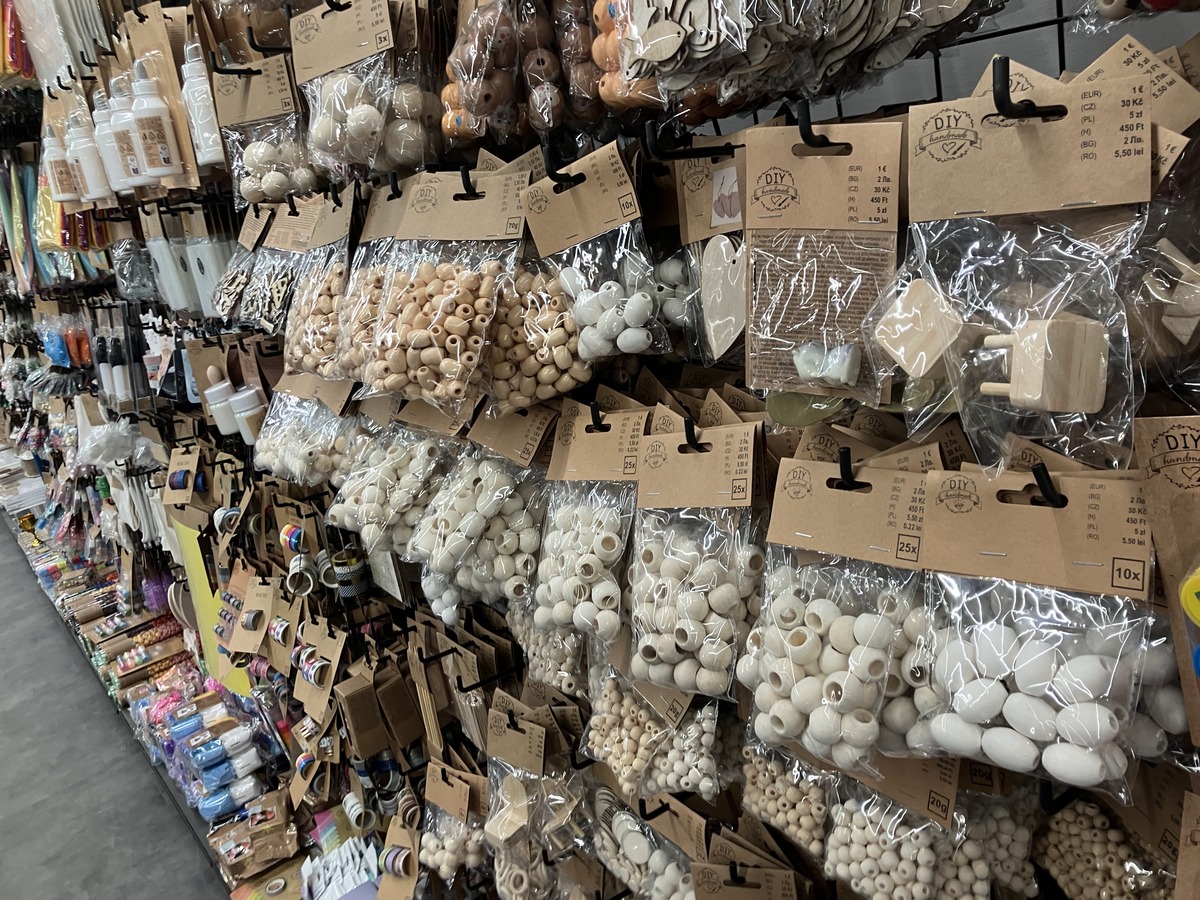
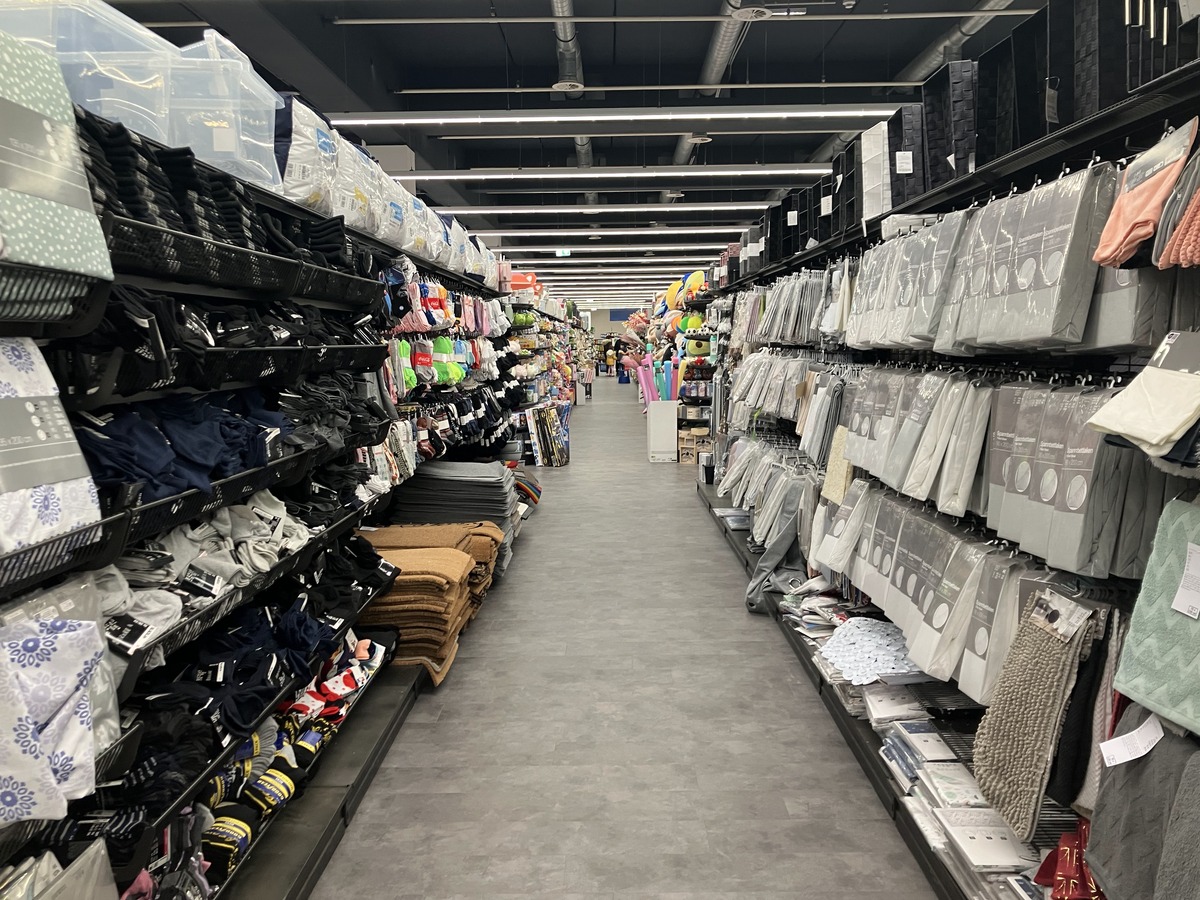
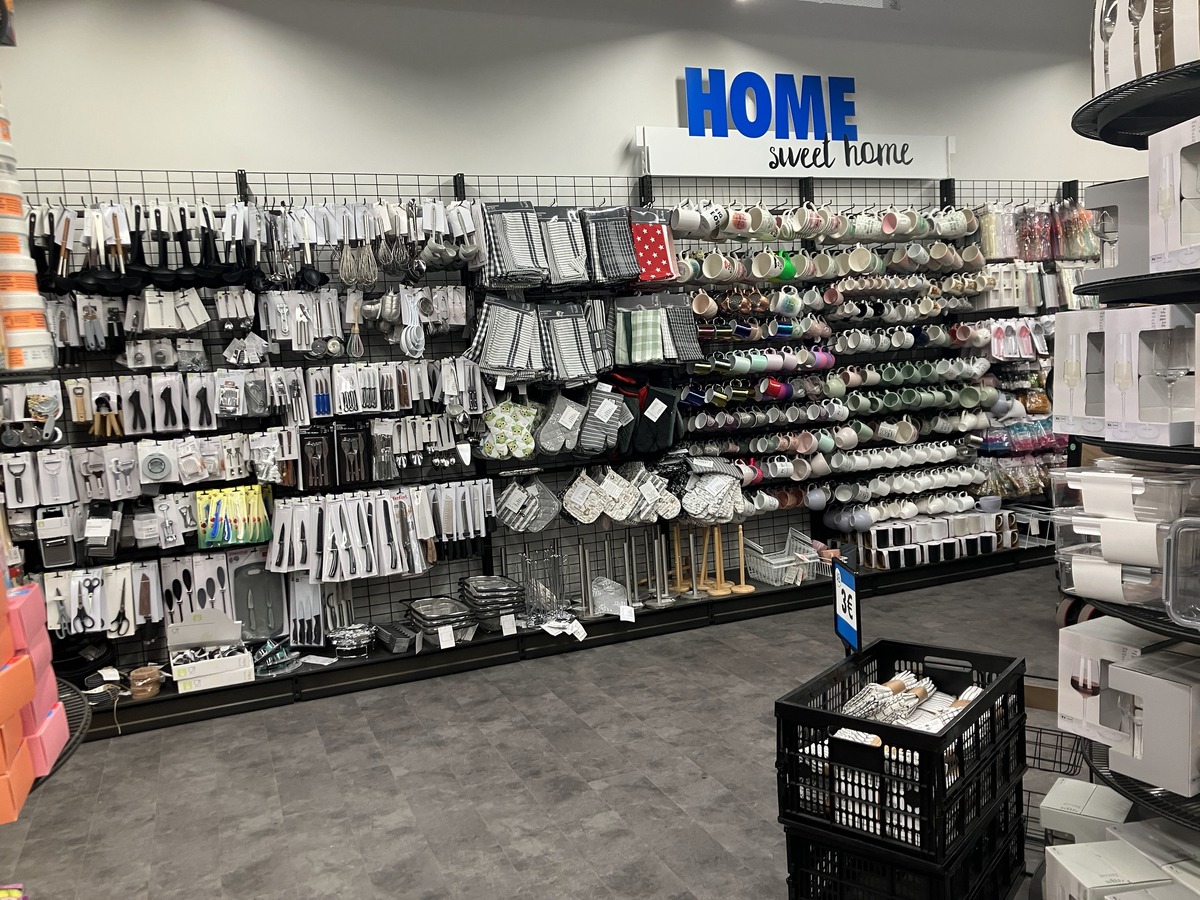
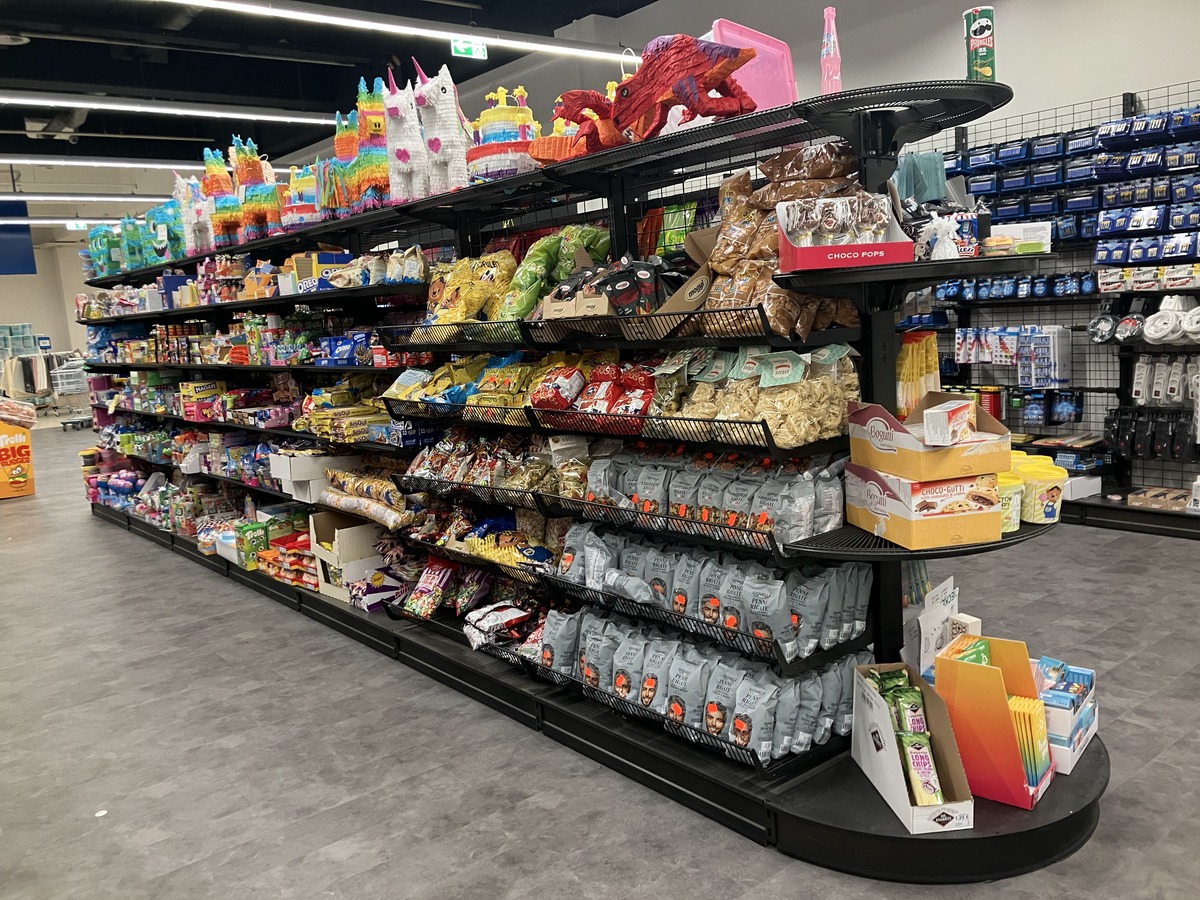
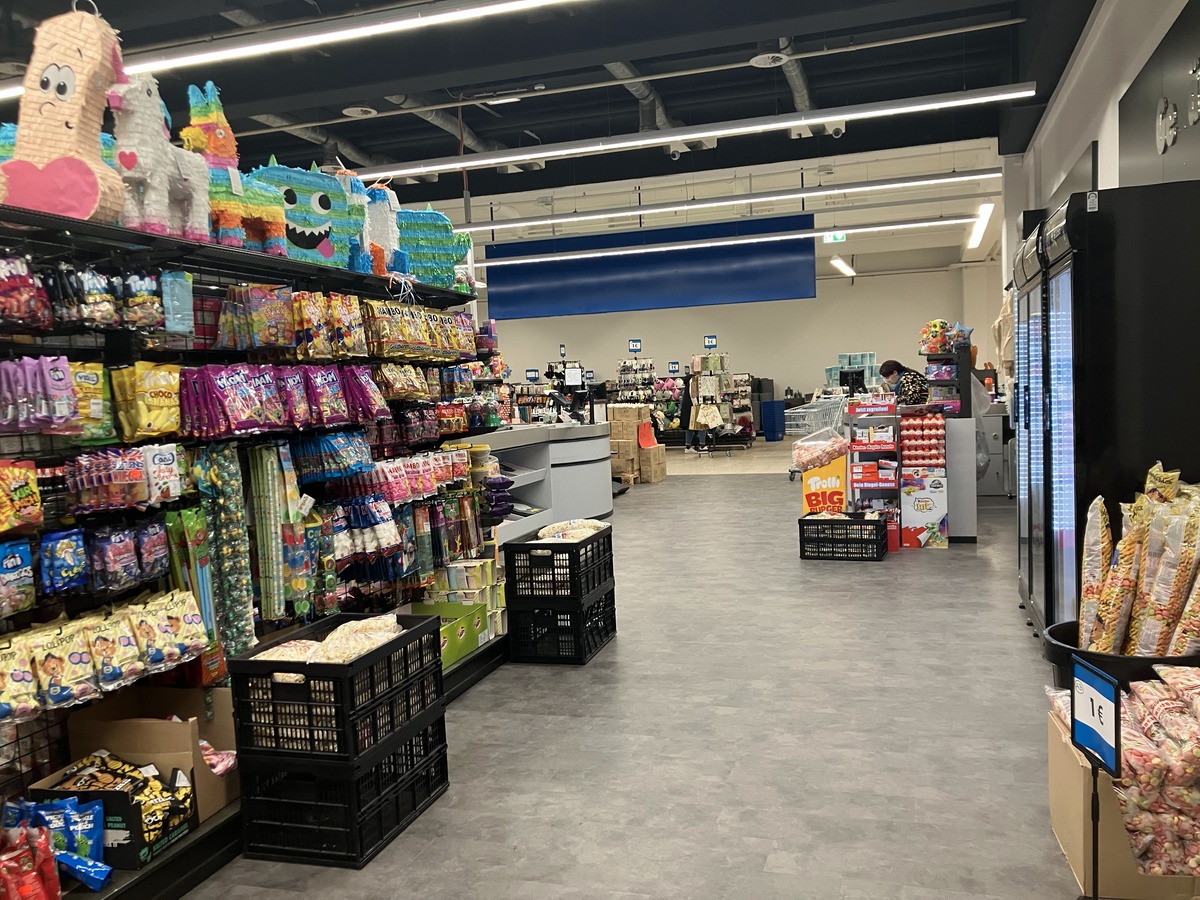
Instead, the first impression is driven by colour and variety. Party goods, small decoration items, and handicraft articles are positioned near the entrance and make up around 13 percent of the assortment. These eye-catching and low-cost categories are central to Tedi’s brand identity and are among the most popular with shoppers. Seasonal and all-year decoration together occupy 25 percent of shelf space, also at the front of the store to entice customers onto the shopfloor. Homeware and textiles—including kitchen, bathroom, and cleaning ranges—form the foundation of the assortment, with 29 percent of space dedicated to these everyday utility categories.
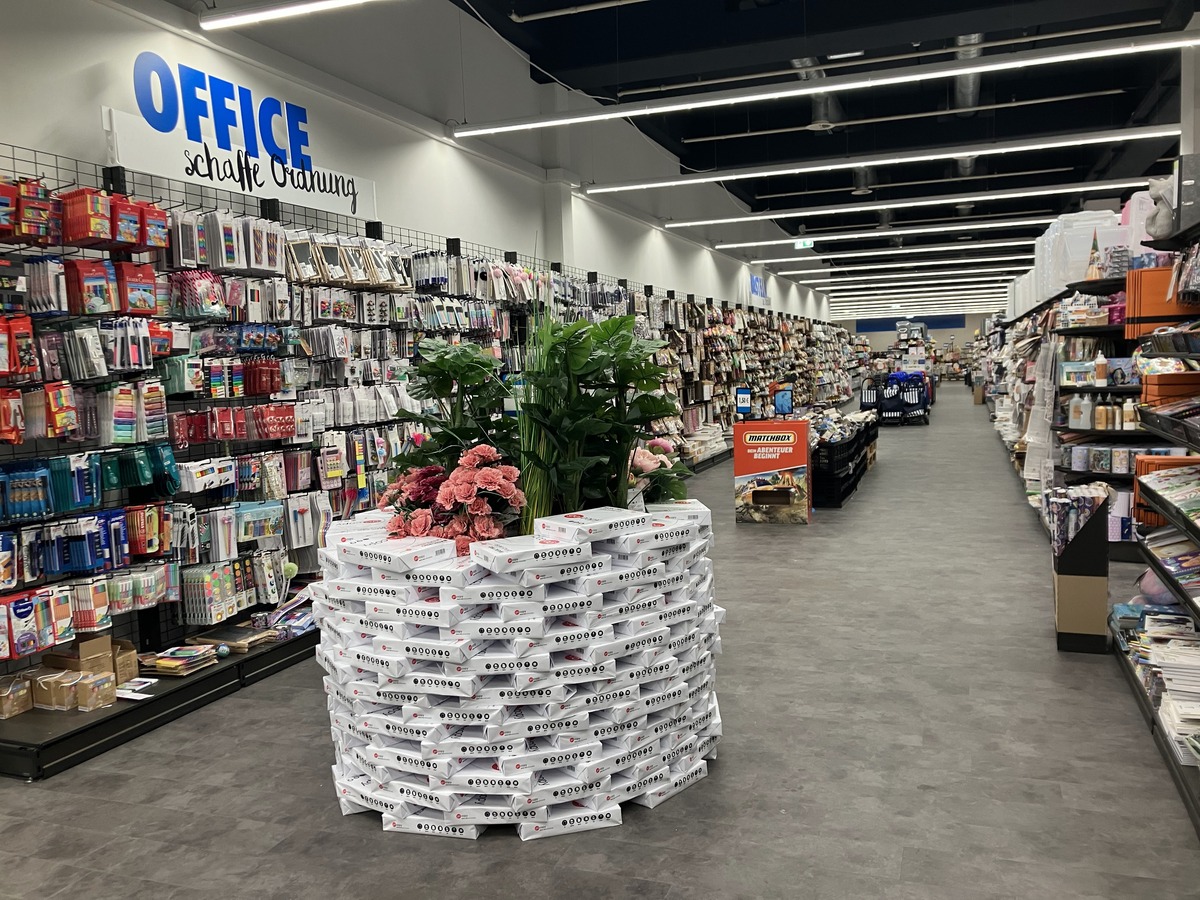
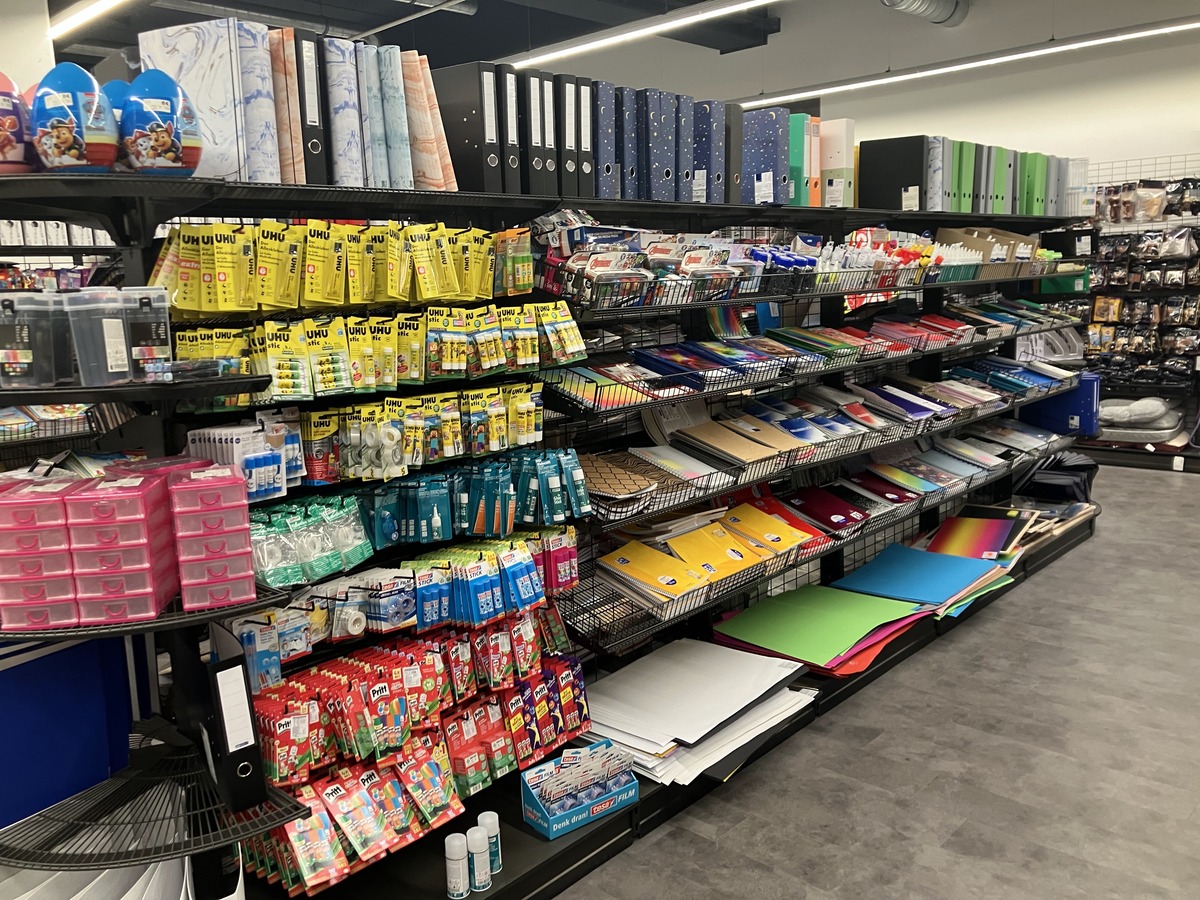
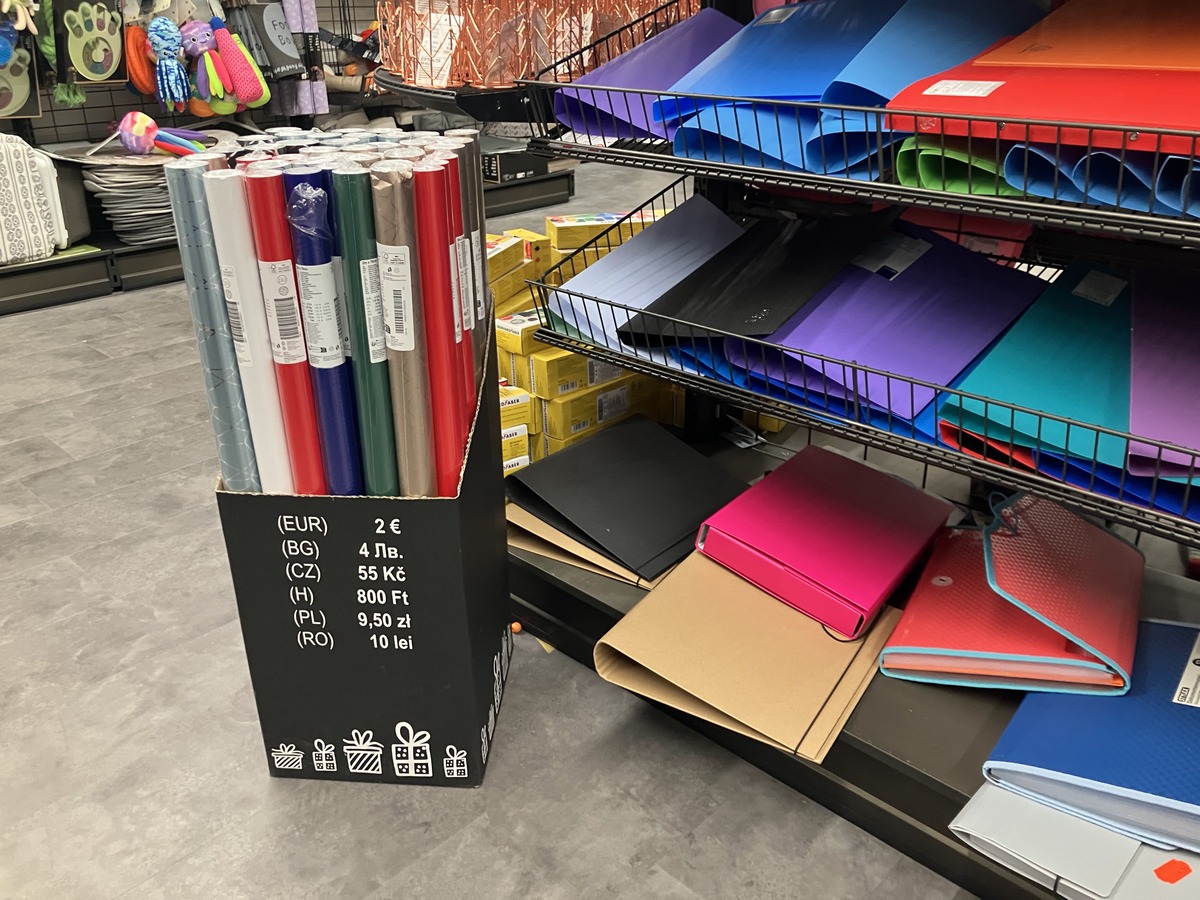
The rest of the layout is reserved for low-share, high-turnover segments such as pet care, toys, DIY, office supplies, and beauty products—each occupying only a few percentage points. Food, unlike at Action, plays no strategic role.
Growth is also being fuelled by consolidation. In early 2025, Tedi received approval from the German Federal Cartel Office to acquire more than 80 stores from regional competitor Pfennigpfeiffer, strengthening its position in eastern Germany. At the same time, the company has emerged as a potential investor in home accessories retailer Depot, signaling a strategic interest in further integrating regional players into its network.
By scaling a discovery-driven store model, Tedi is capturing market share from mid-sized retailers and at the same time avoids cannibalization with other non food discount competitors.
Note: Click on the photos to view explanatory captions. For the best experience, photo viewing is optimized for desktop.
All content and photos are © copyrighted.