Lidl reorganizes non-food into permanent worlds
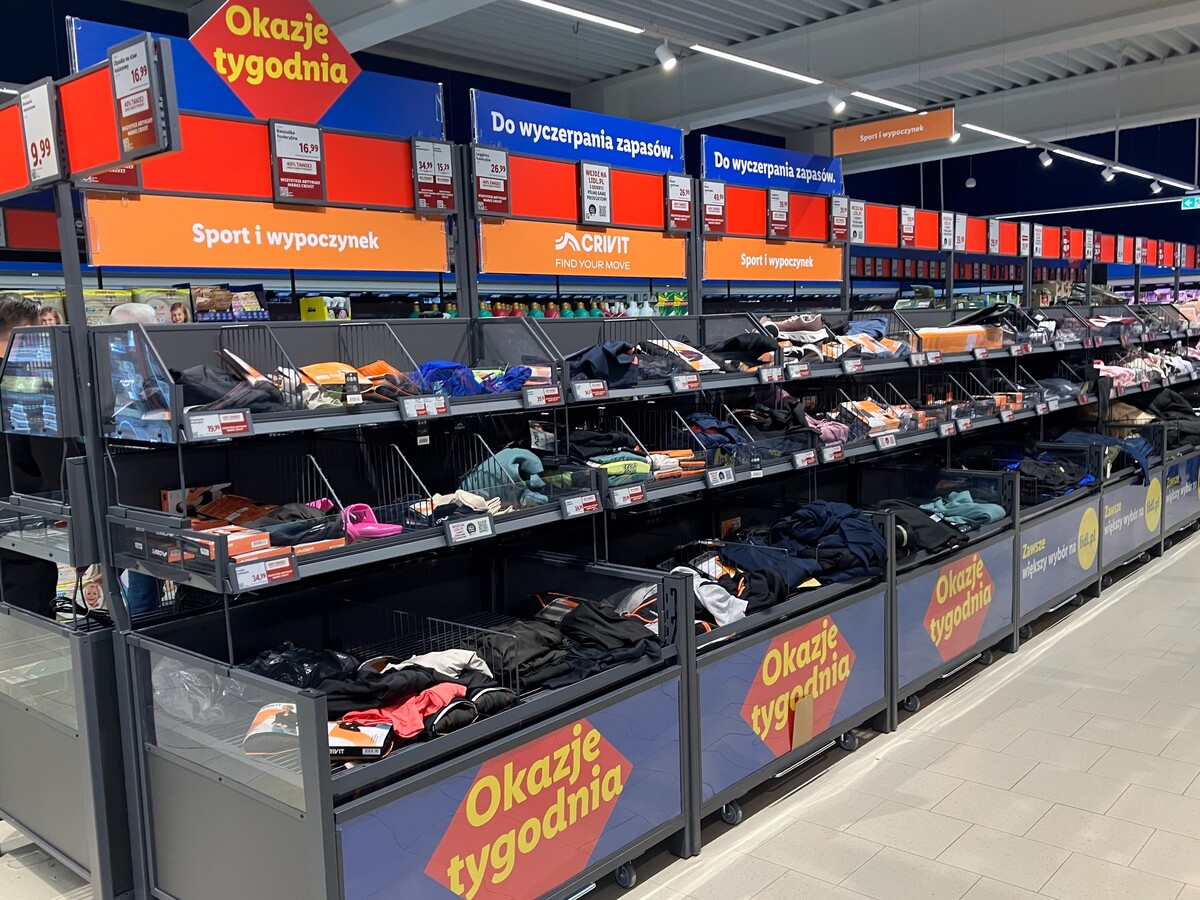
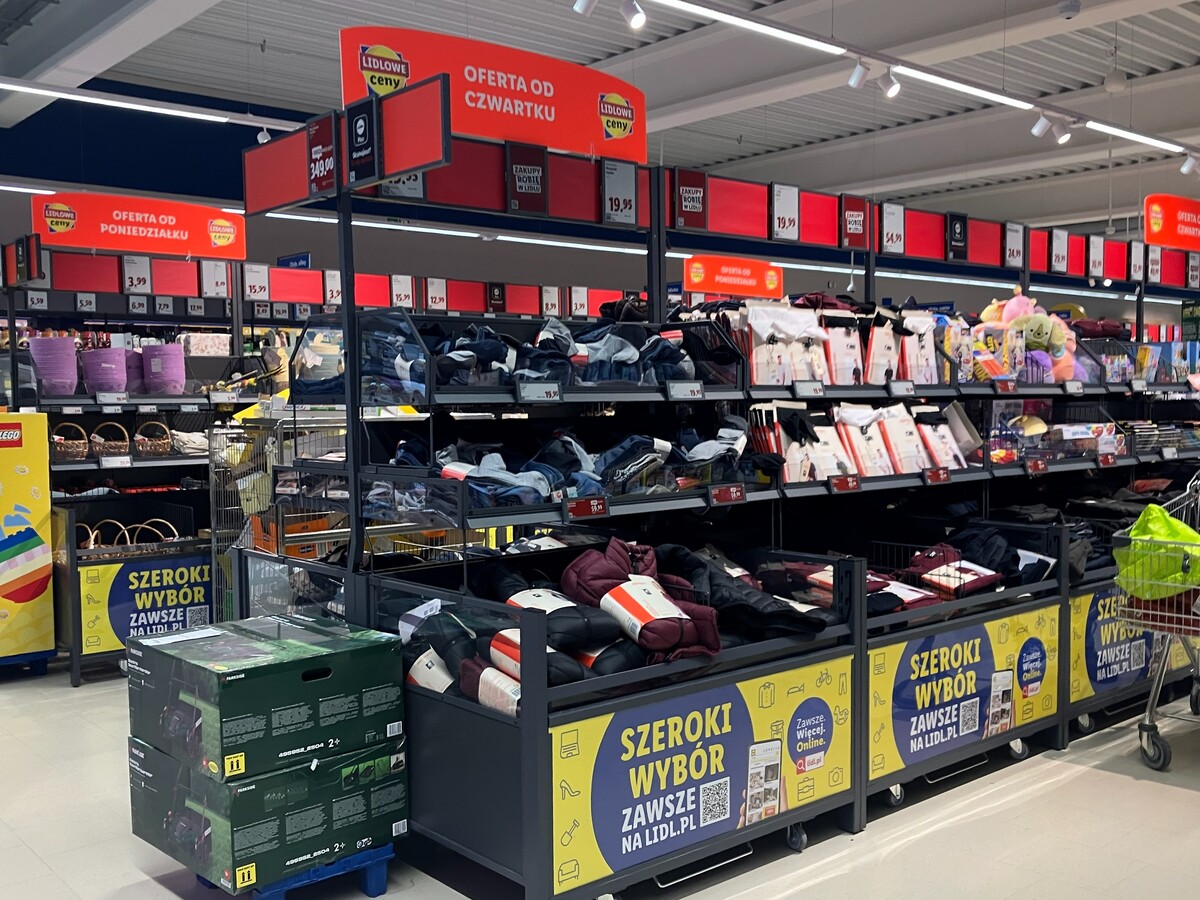
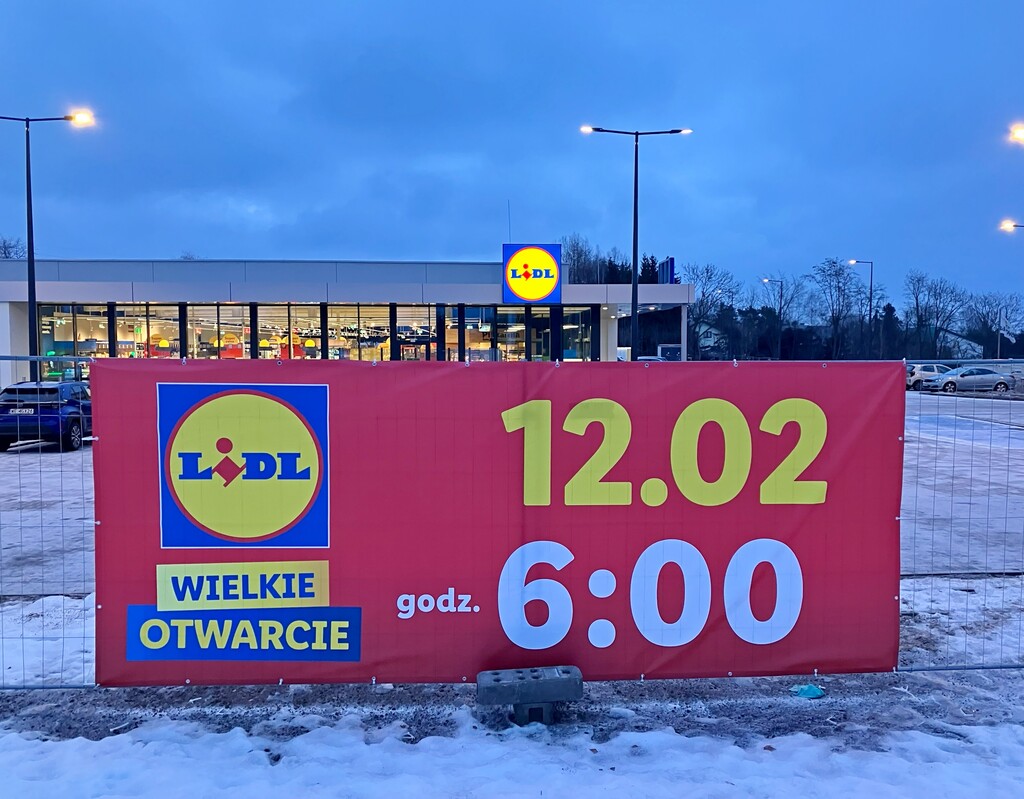
Lidl has introduced a new permanent non-food concept in one of its Polish pilot stores. Instead of the former in-out logic with temporary themes and subcategory navigation, the retailer now assigns fixed merchandising spaces to core non-food topics.
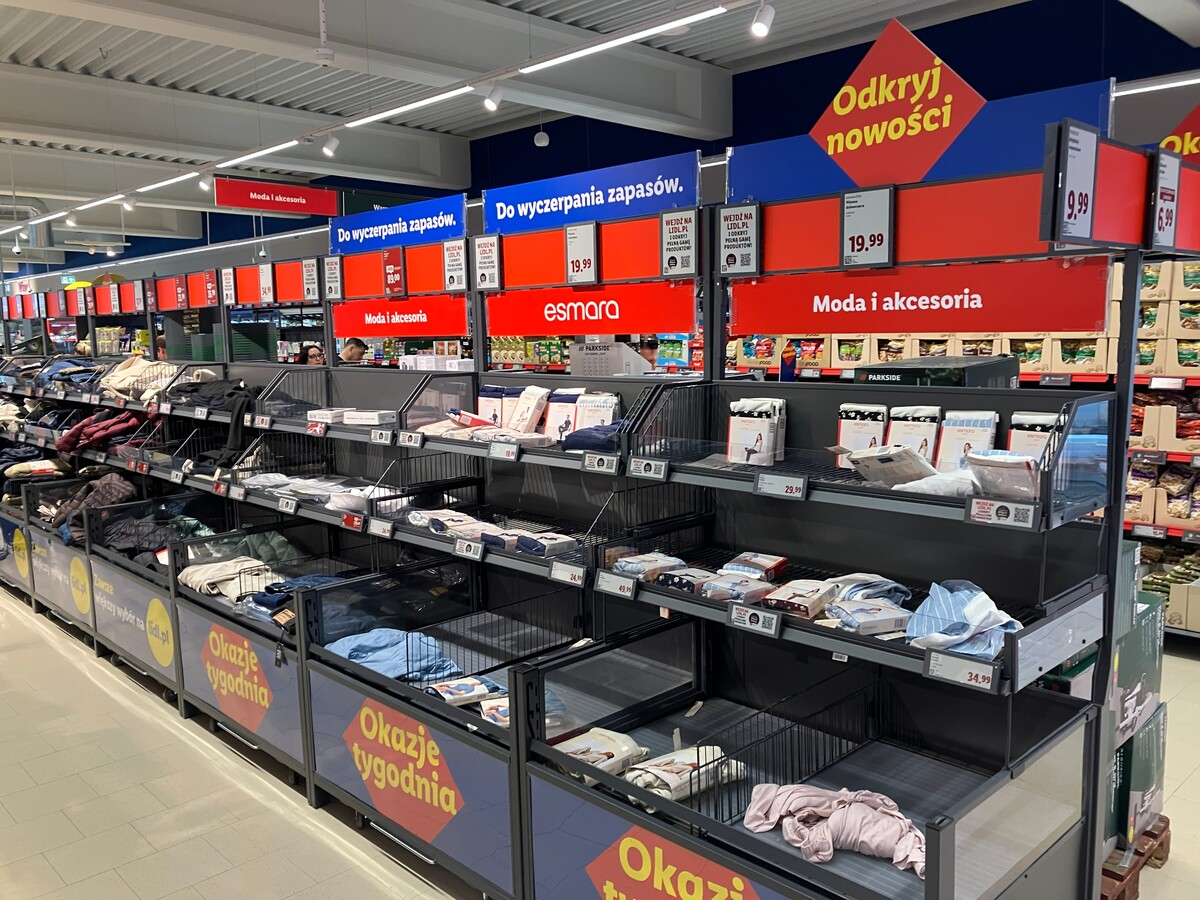
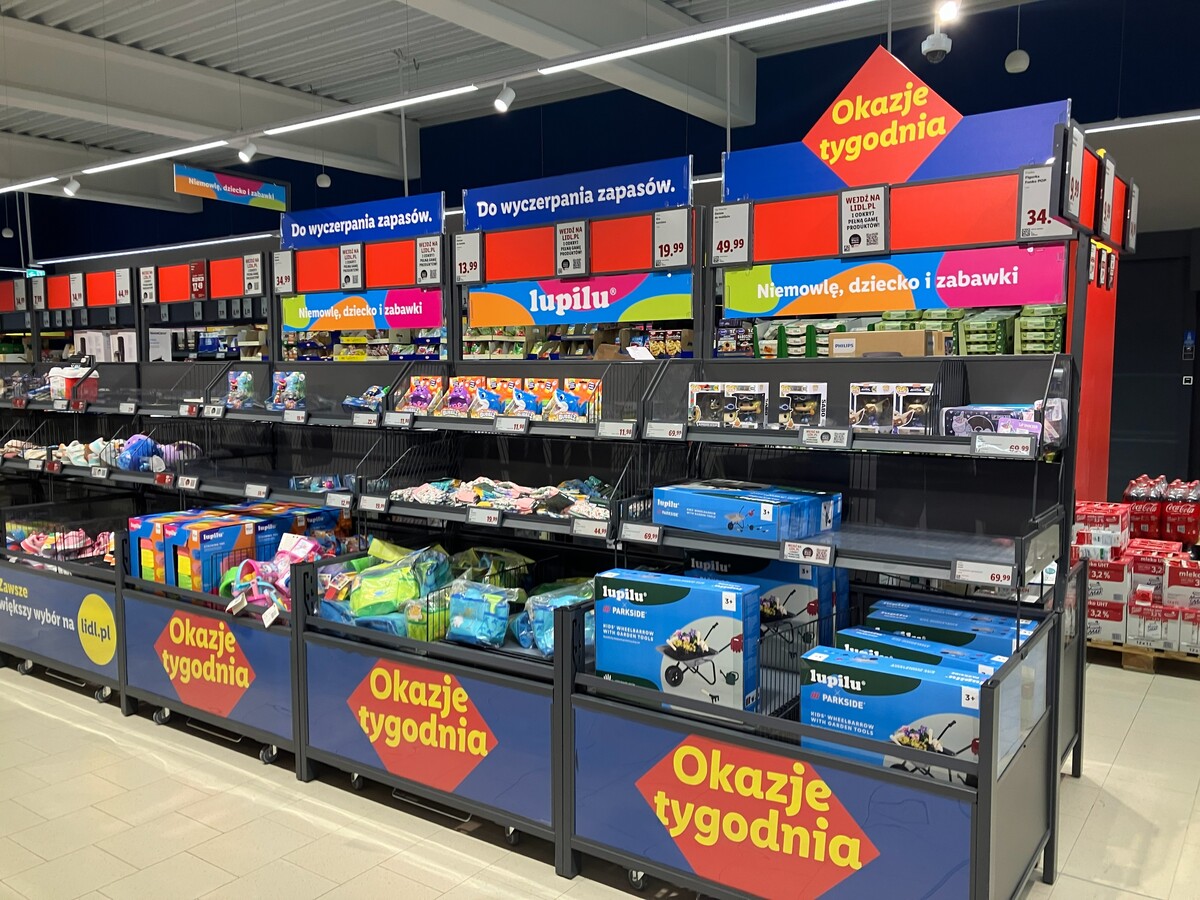
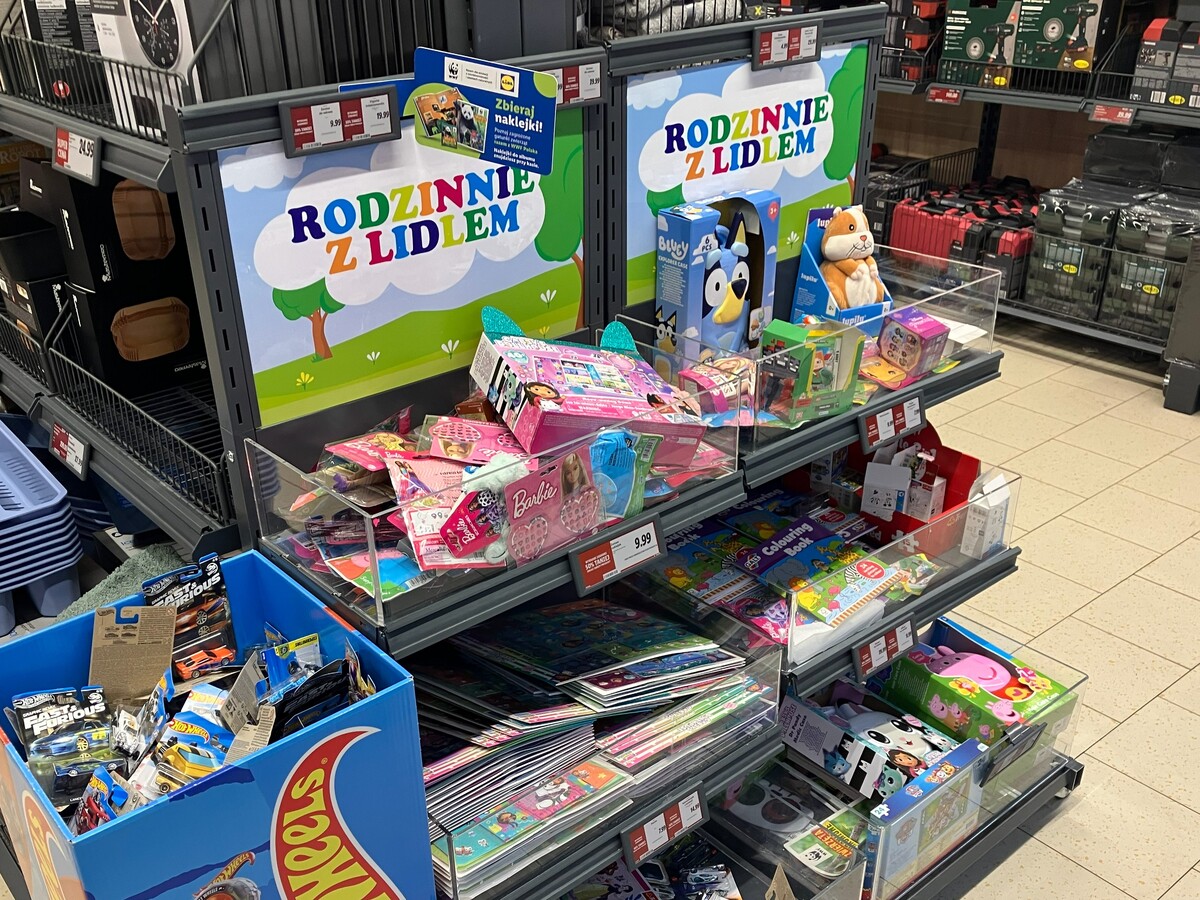
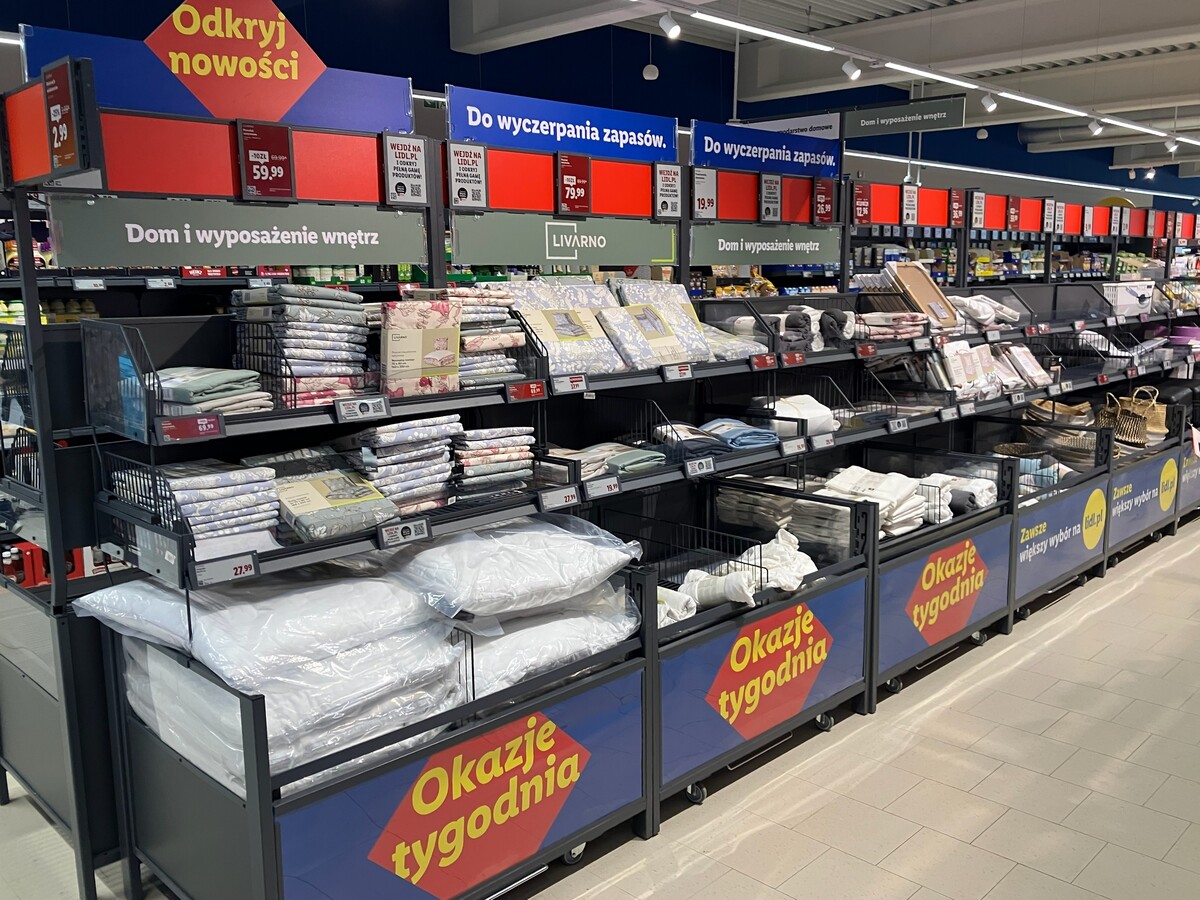
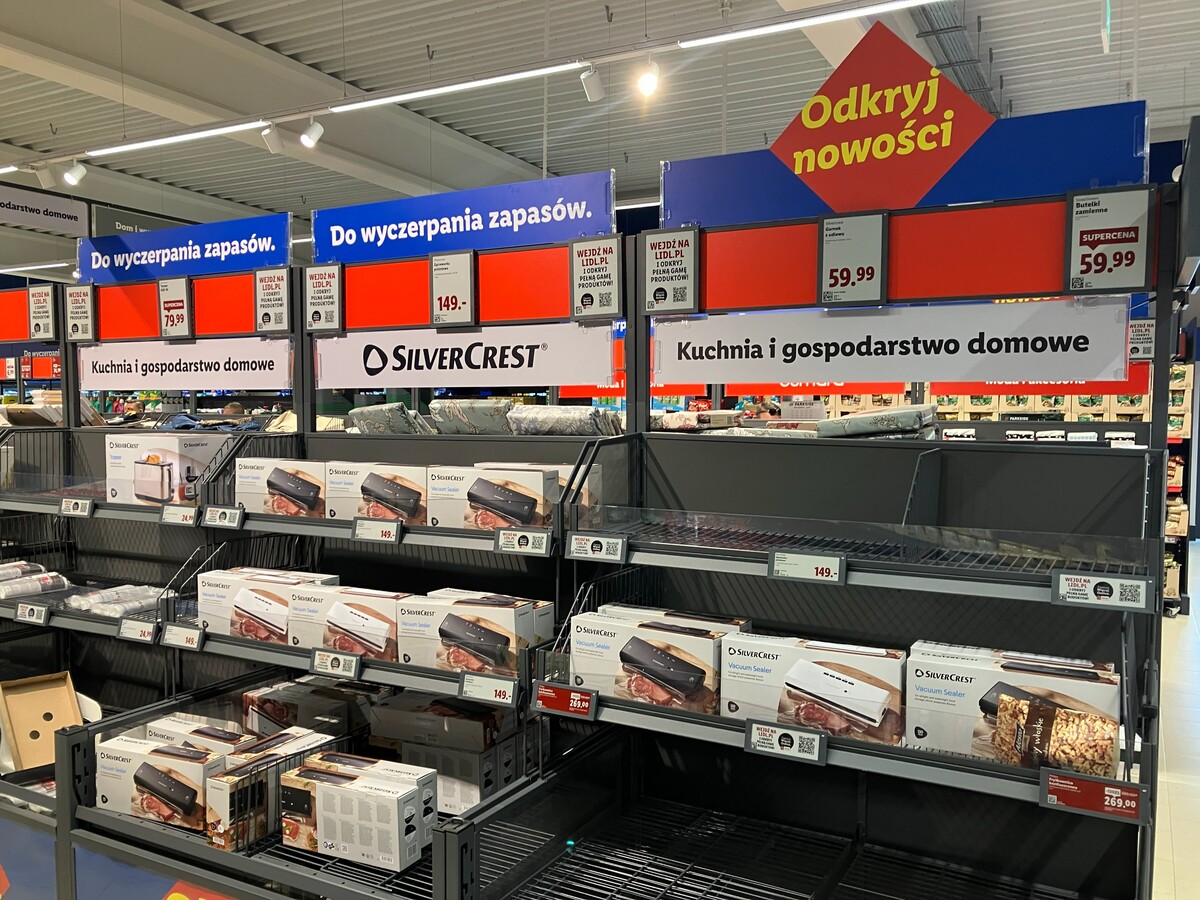
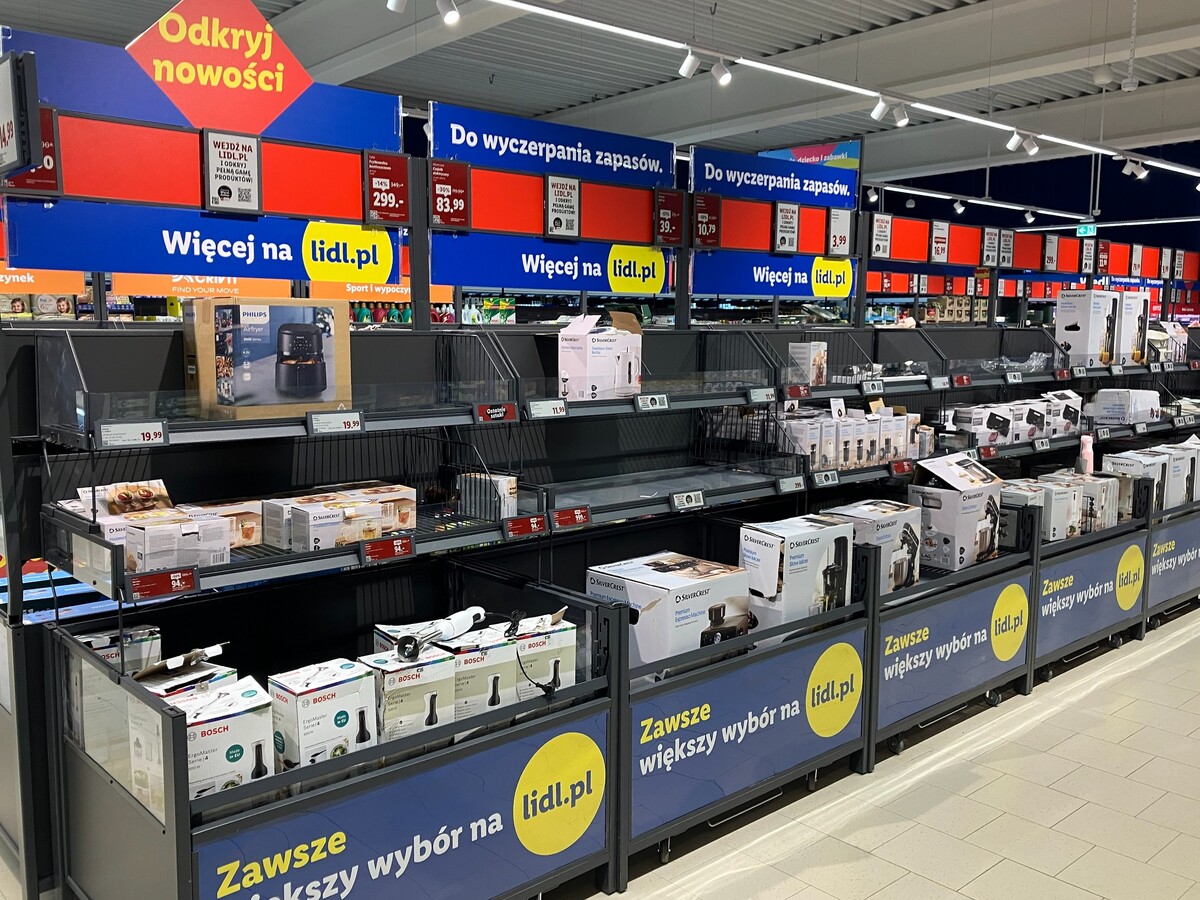
The setup is organized around two non-food axes in the back of the store. Their end caps create eight potential display positions. Lidl uses six for permanently assigned “non-food worlds” and keeps two open for rotating promotions. This creates a clearer system that combines stable private label visibility with flexibility for seasonal or tactical offers.
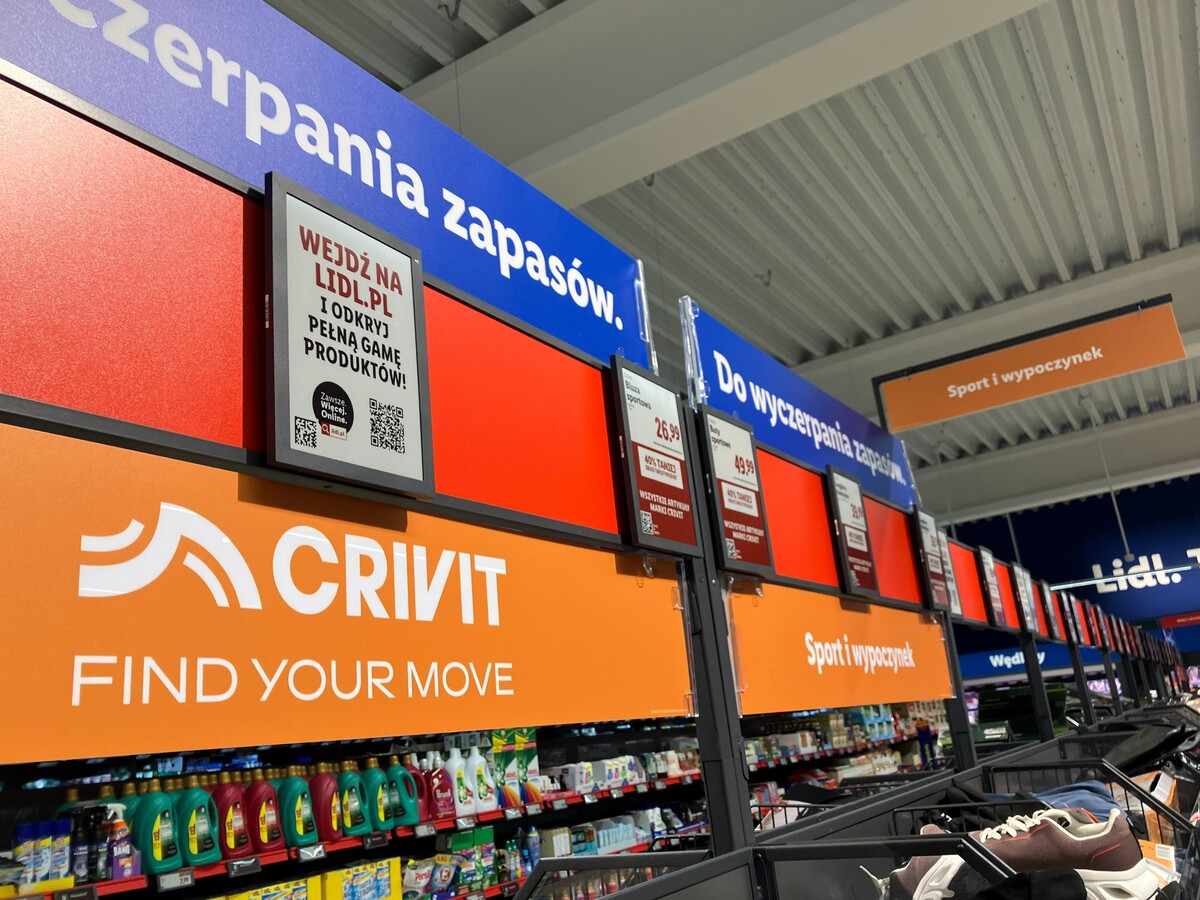
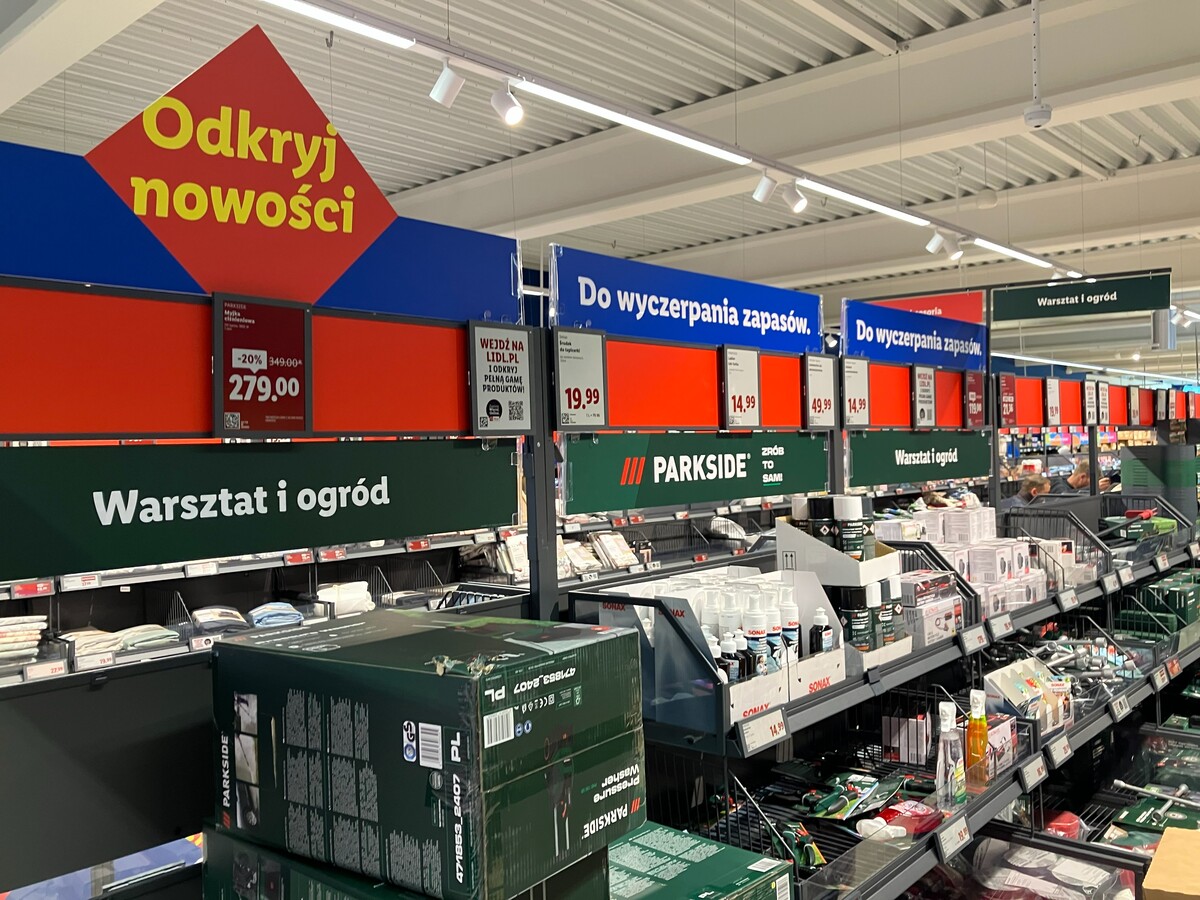
Each world is built around three dedicated shelf units on one side of a gondola end, supported by color coding and navigational flags across the range. The six worlds are Crivit (sport and leisure), Esmara (textiles and accessories), Livarno (home and furnishing), Silvercrest (kitchen and electronics), Lupilu (baby and toys), and Parkside (DIY and garden).
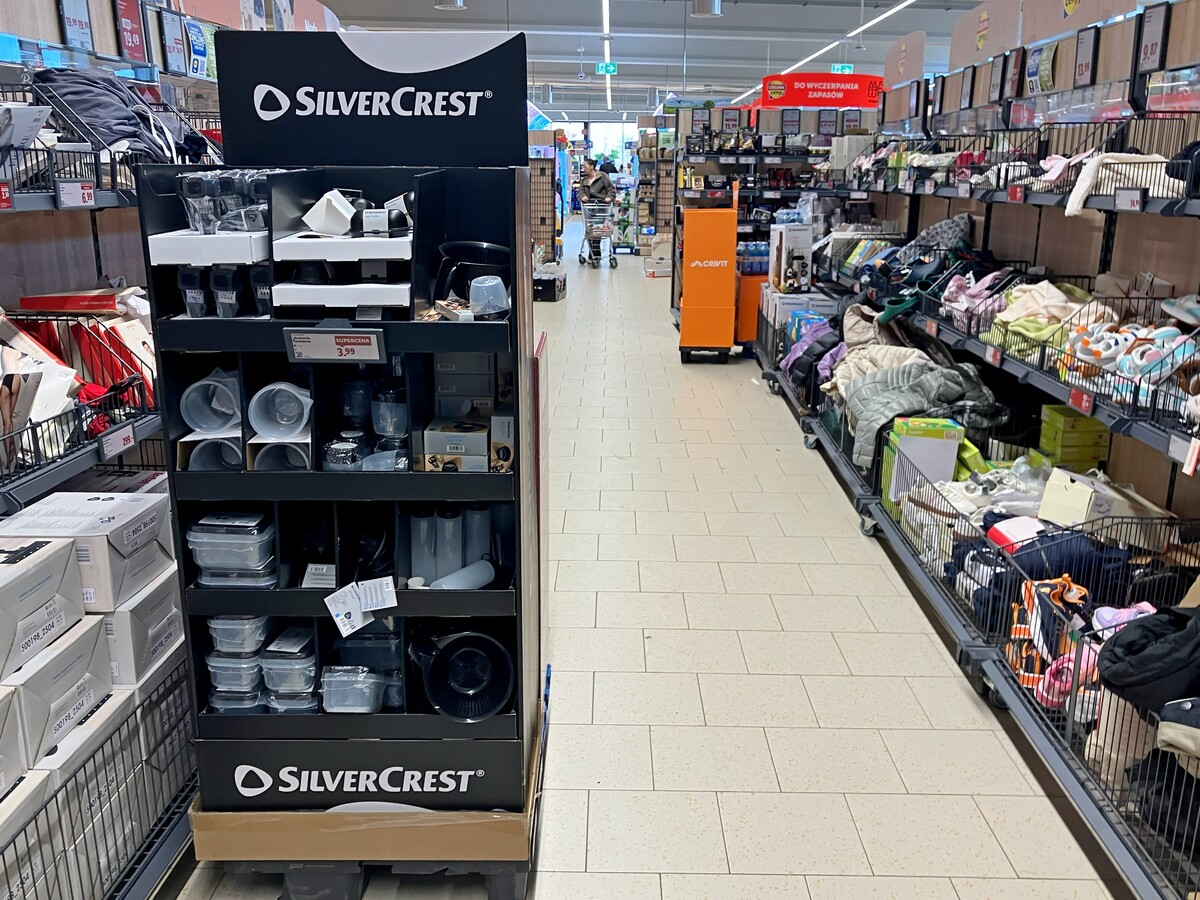
At the same time, Lidl reduces the physical footprint of non-food. The third axis, introduced in 2023 to support Parkside, has been removed. The space is now reassigned to in-out food and residual food items, returning to the earlier store logic. Instead of adding space for individual campaigns, Lidl integrates all topical themes into a modular system with fixed logic and flexible use. This makes the concept rollout-ready across the store estate, regardless of store size.
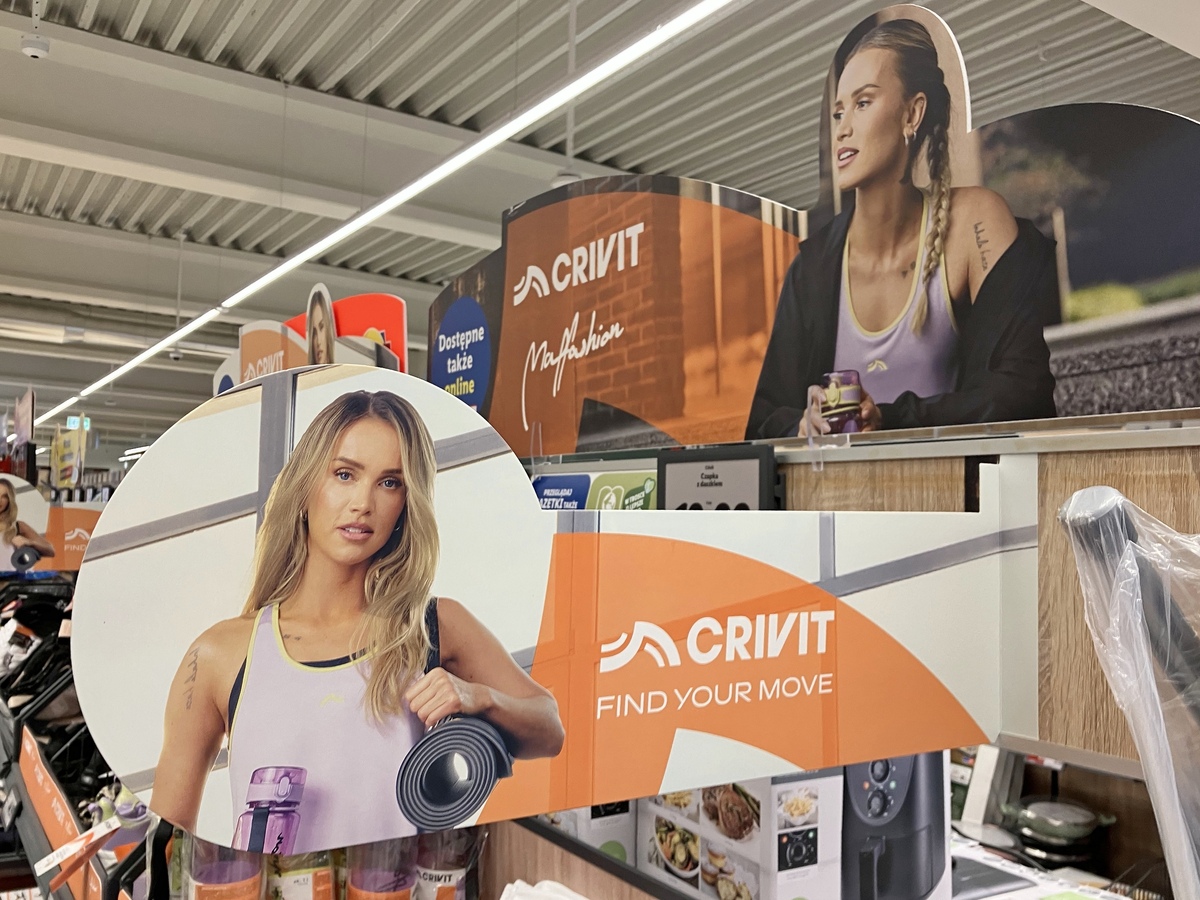
The shift is accompanied by a stronger push in promoting the discounter’s own brands. Lidl continues to invest in testimonials to strengthen its private labels. At the beginning of March the retailer launched a campaign featuring tennis legend Andre Agassi promoting Silvercrest. One month earlier, Steffi Graf became the face of Crivit. These follow earlier international activations such as Arnold Schwarzenegger for Parkside and the Poland-based Crivit x Maffashion collection with Julia Kuczyńska in Poland.
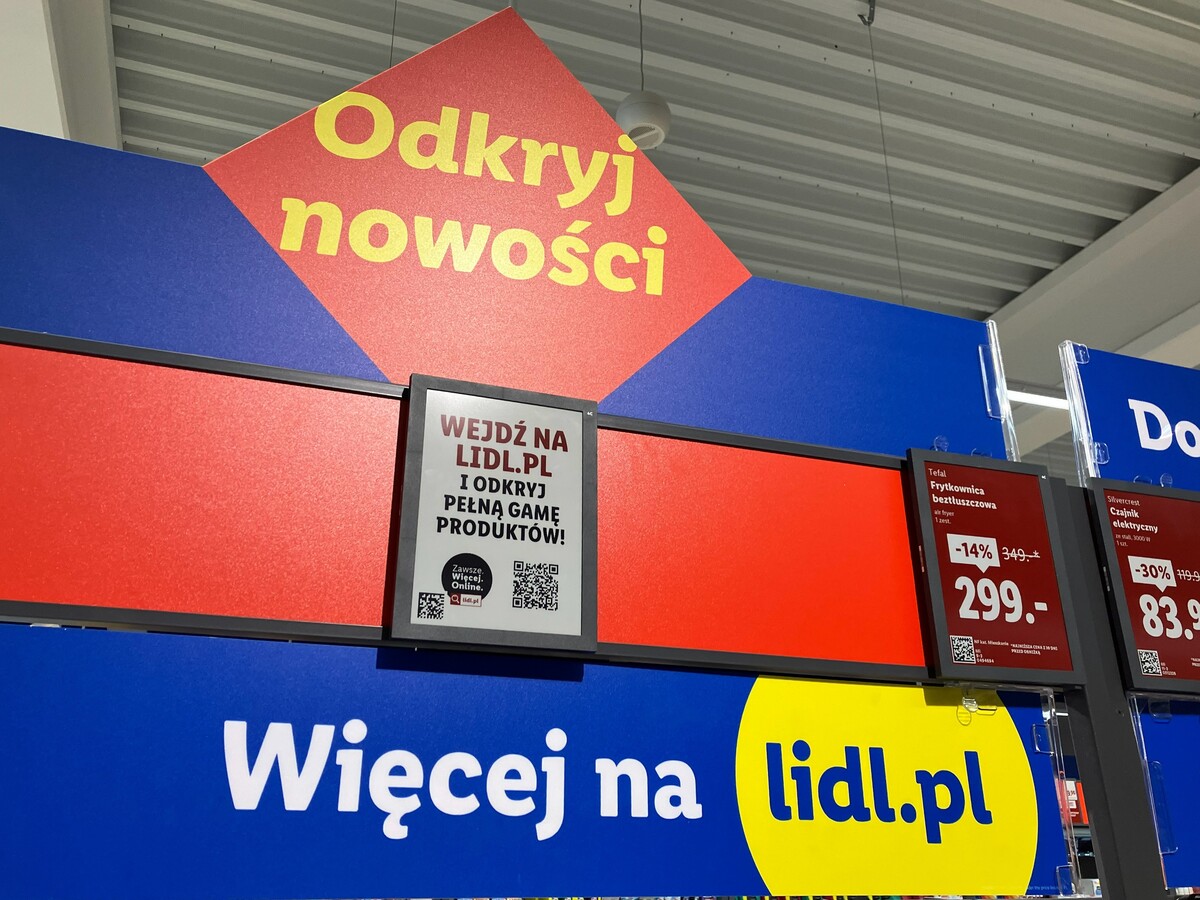
The new concept also reinforces Lidl’s multichannel positioning. Large electronic shelf labels with QR codes on the headboards of the respective subcategory worlds guide customers directly to Lidl.pl. On the landing page, Lidl places non-food categories at the forefront through round navigation icons, mirroring the online entry logic of non-food specialist Action.
This approach also sharpens Lidl’s differentiation from main competitor Aldi. While Aldi exited online non-food in Germany in September last year, Lidl continues to expand its higher-margin assortment and connect it directly to digital channels. Non-food becomes both a traffic driver and a margin lever, adding another point of differentiation in ongoing price competition in food.
At the same time, Lidl’s competitive set is expanding. The structured world logic moves the retailer closer to non-food discounters such as Action and other category specialists. With Crivit Lidl targets players like Decathlon. With Livarno, Lidl moves closer into direct competition with IKEA. In August 2024, Lidl Germany explicitly compared selected home furnishing items with IKEA products in its leaflet and undercut IKEA on price, prompting IKEA to respond with its own campaign under the slogan “A Lidl bit günstiger” (a little bit cheaper).
Non-food has developed into a strategic pillar, backed by dedicated logistics. Lidl’s Tailwind shipping line, launched in July 2022, has grown to a double-digit number of vessels and helps secure sourcing flows from Asia.
Note: Click on the photos to view explanatory captions. For the best experience, photo viewing is optimized for desktop. All content and photos are © copyrighted