Grocery and foodservice battle for the convenience customer
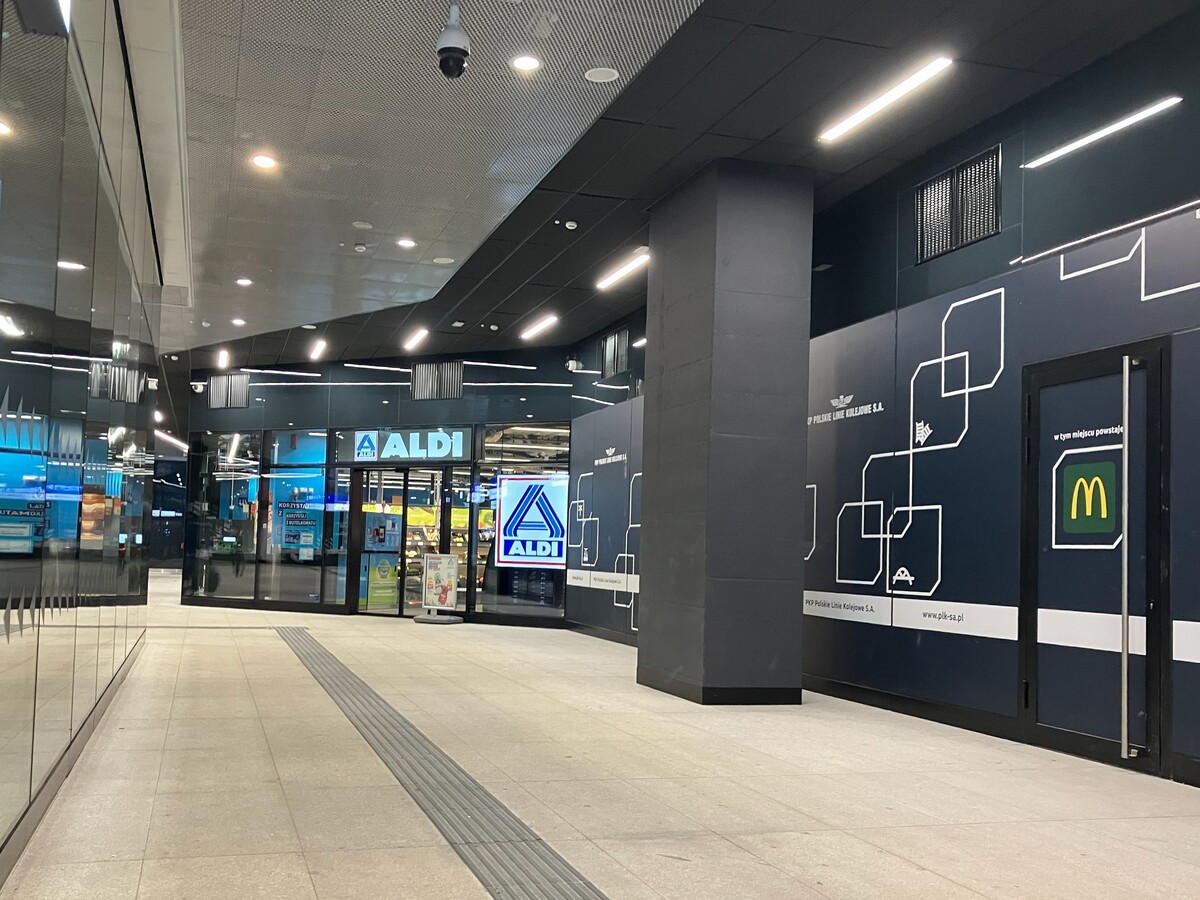
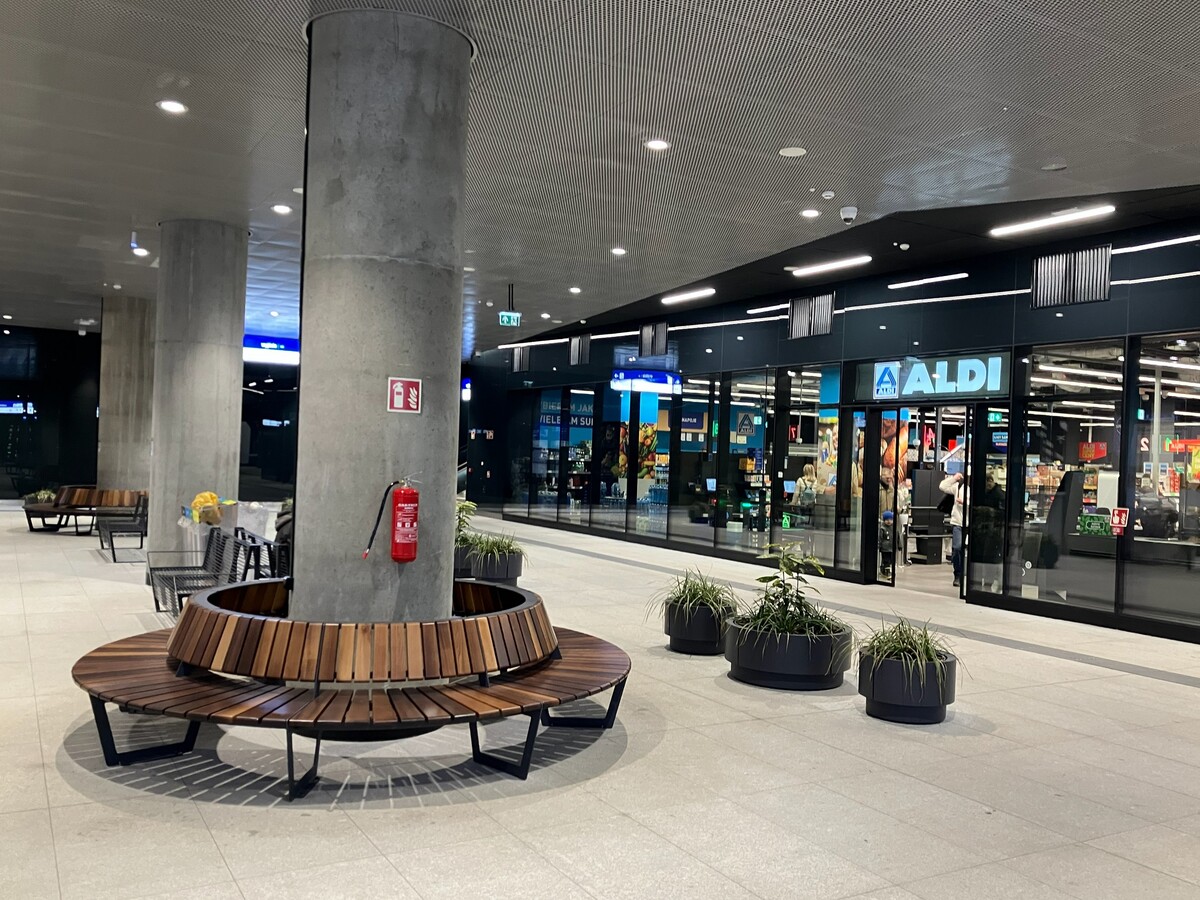
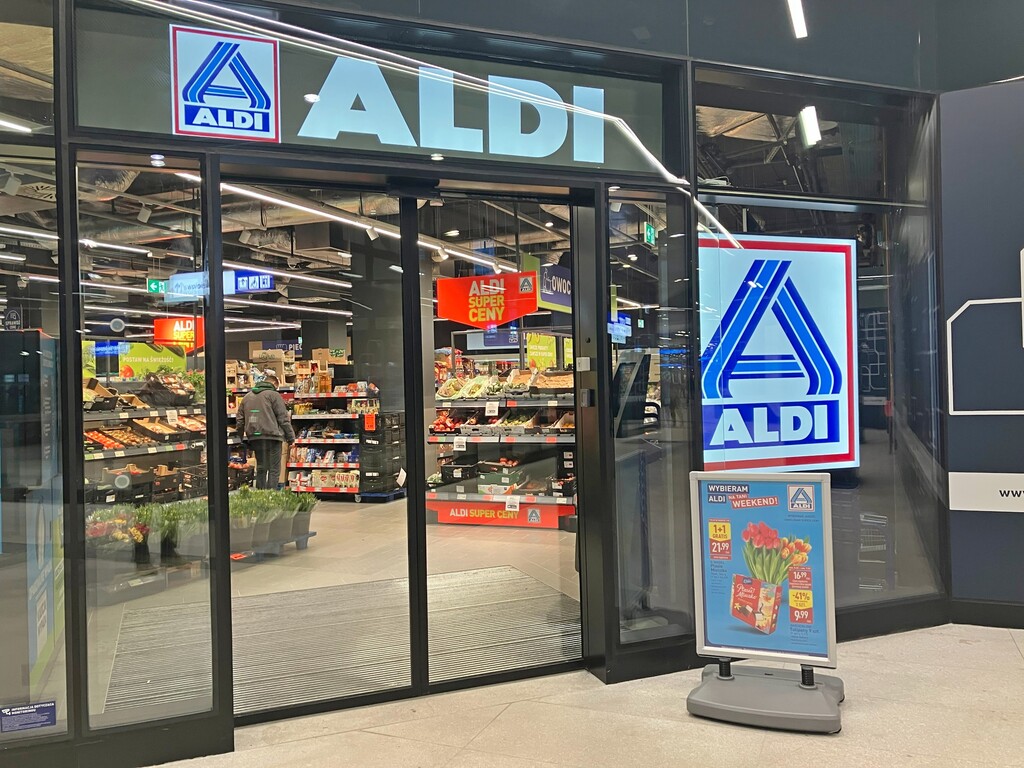
Warszawa Zachodnia train station, one of Poland’s busiest transport hubs, has become a compact test ground for the convenience mission. Within a very small radius, an Aldi Nord discounter with a full standard assortment, a Żabka convenience store, Lagardère Travel Retail’s 1 Minute format, and Costa Coffee are competing for customers who want to grab a beverage and snack or light meal for immediate consumption.
This compact Warsaw cluster could serve as a blueprint for how urban food retail competition is being redefined. Rather than staying within channel boundaries, the four operators line up along a continuum from foodservice to grocery: Costa Coffee and 1 Minute are closest to immediate consumption, Żabka bridges convenience and top-up shopping, and Aldi remains most firmly rooted in the full-shop mission.
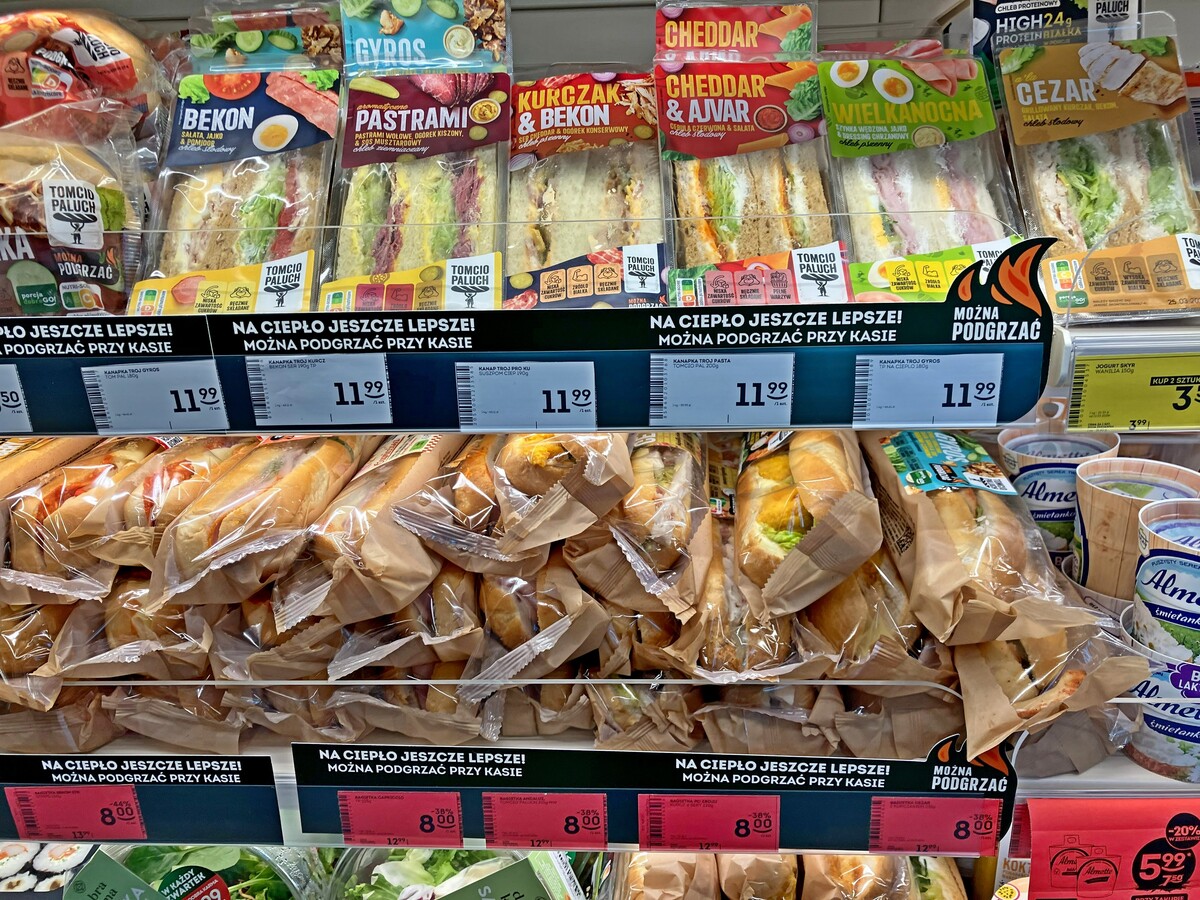
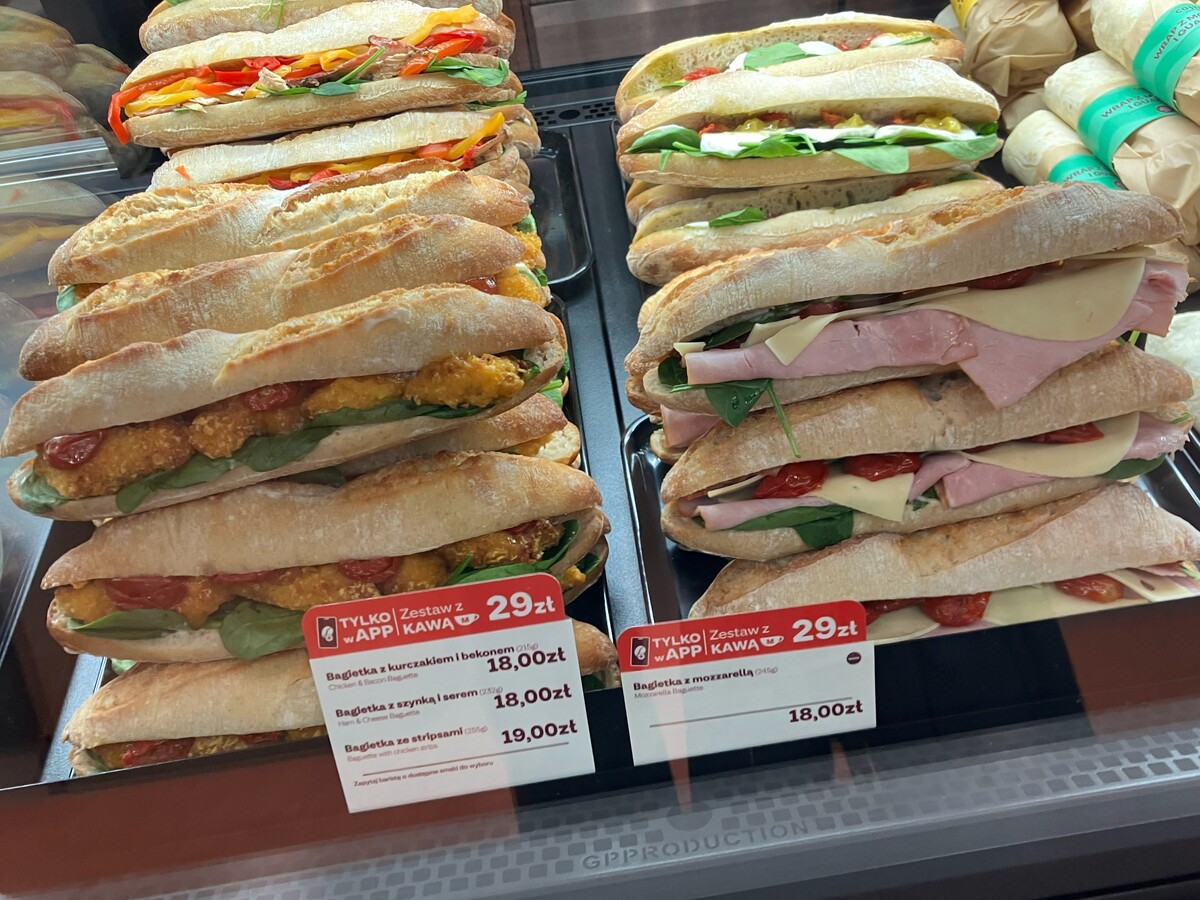
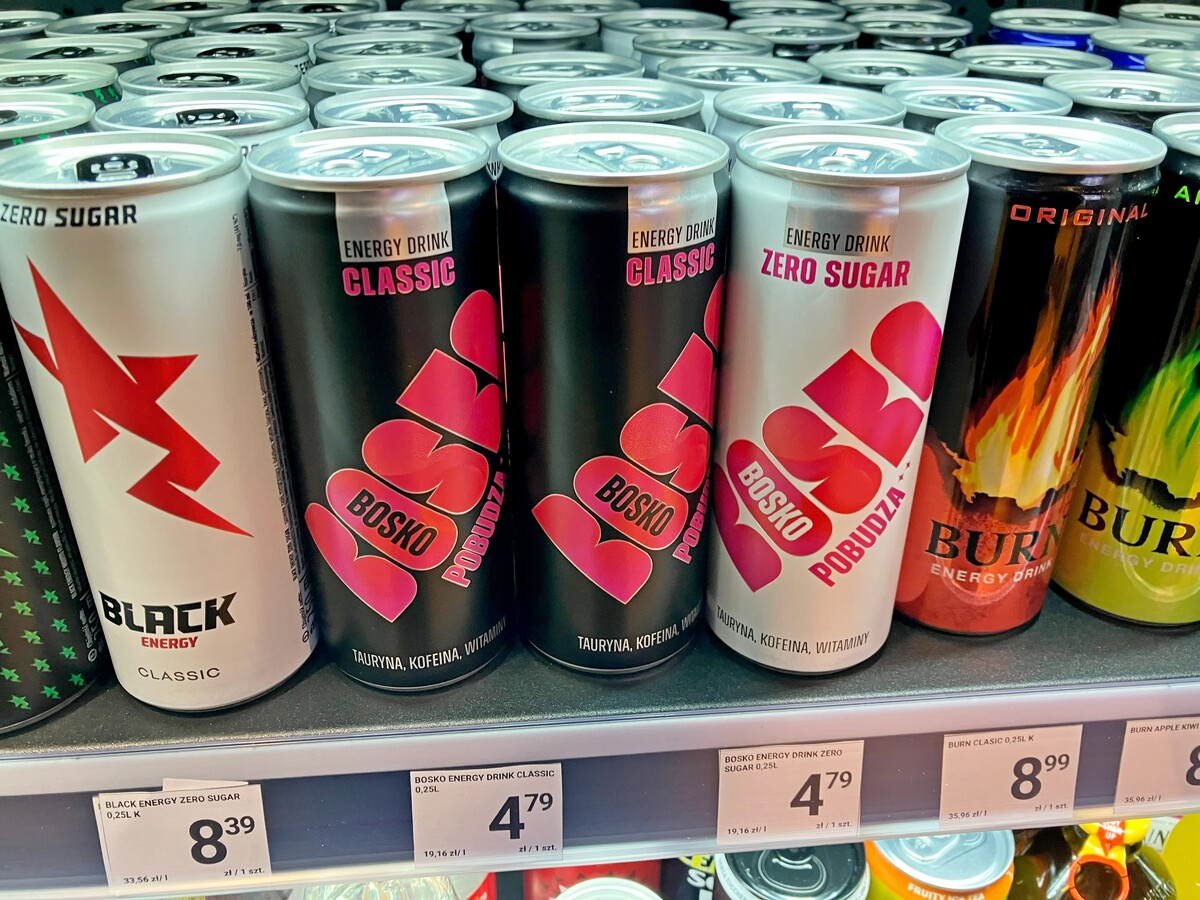
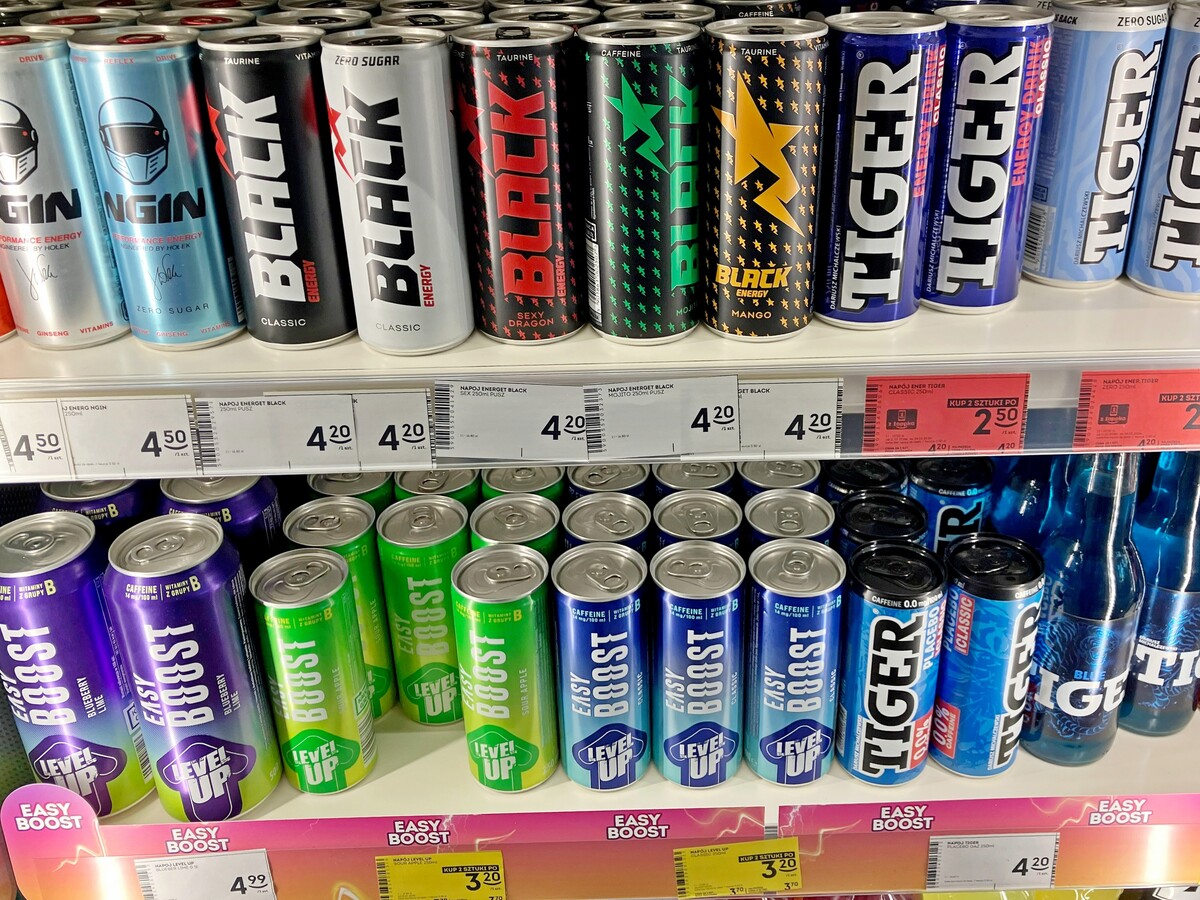
The differences become visible on the shop floor, in how each operator combines snack and meal offers, beverages, grocery range, pricing, and the quality of the on-site consumption experience. To make the contrast more tangible, the shopfloor analysis focuses on one specific occasion: a bakery-based snack paired with a beverage. From the shopper’s perspective, the relevant question is not whether the offers are identical, but how each operator differentiates within the same occasion, whether through assortment breadth, price, speed, or the quality of the on-site experience.
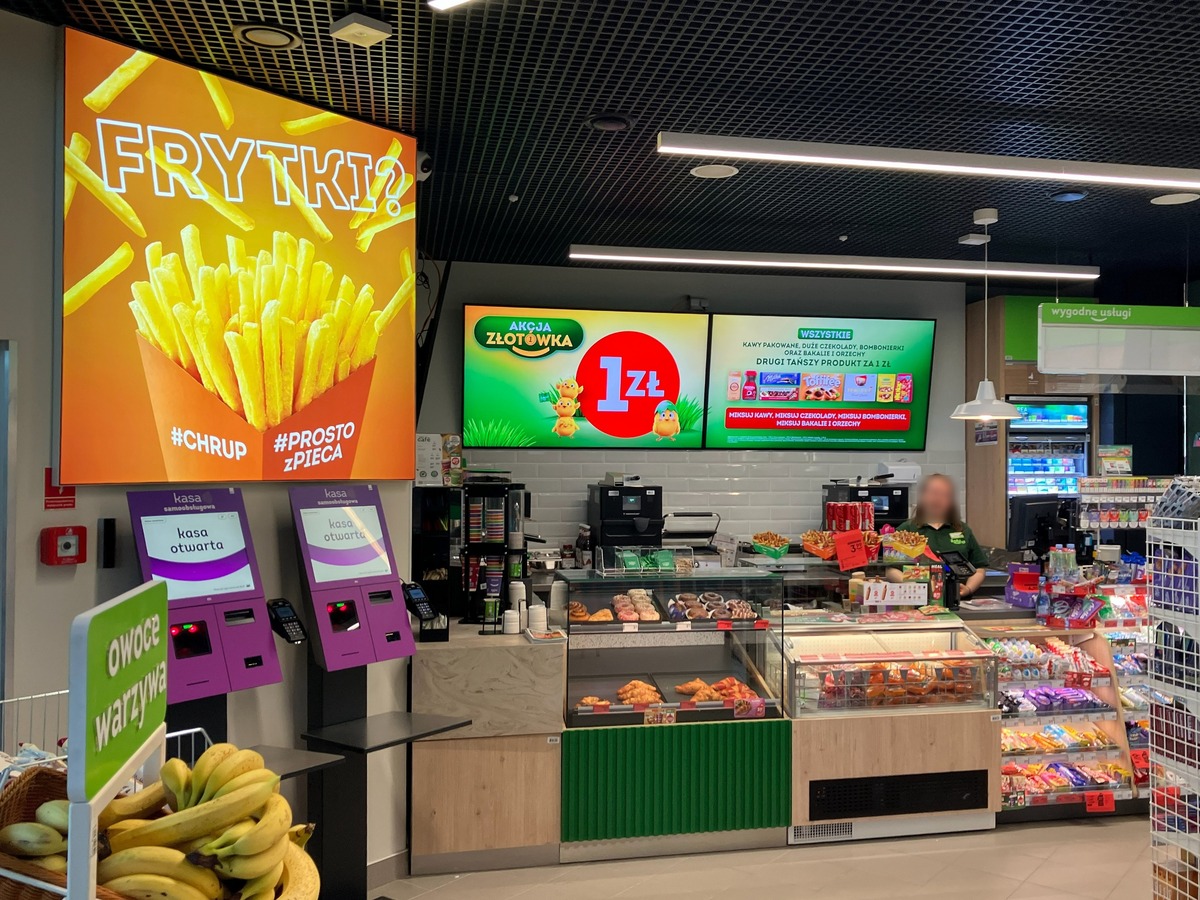
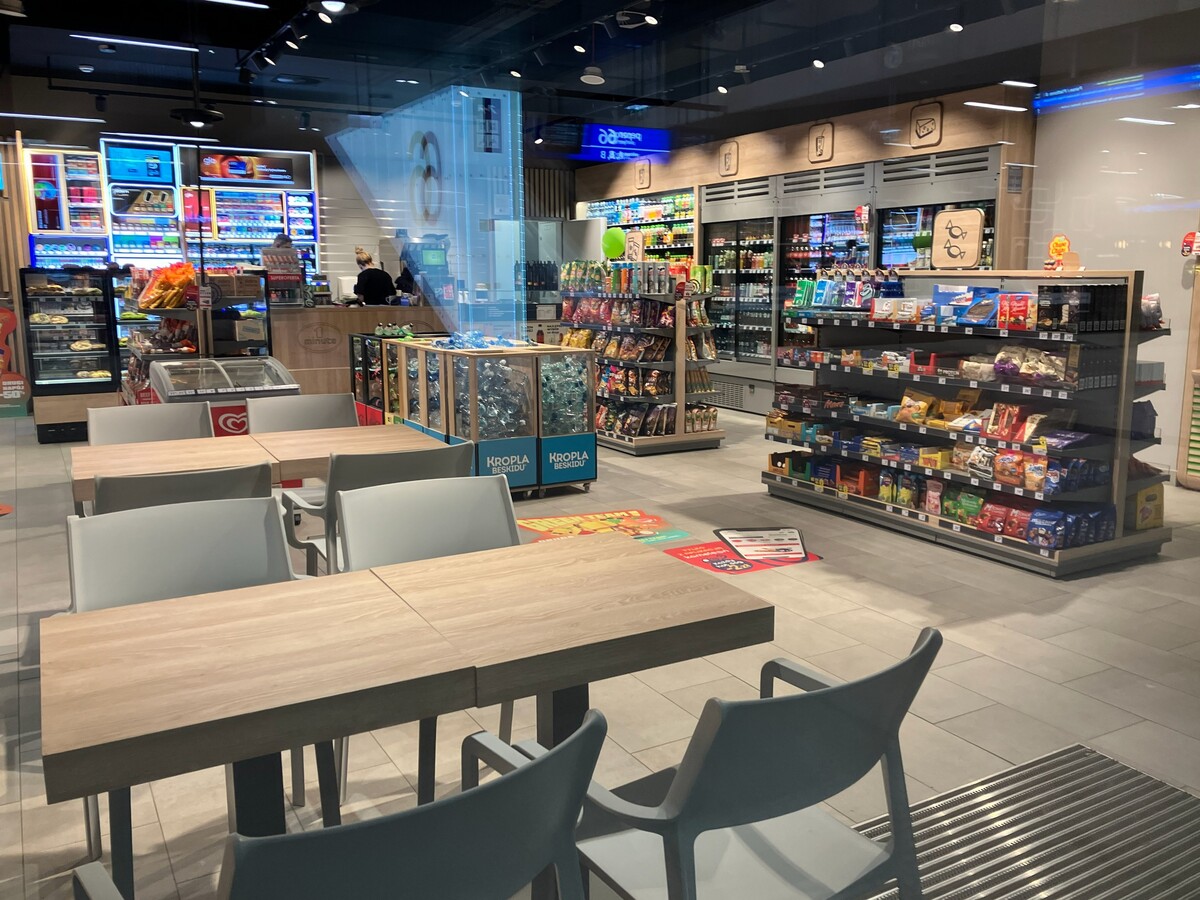
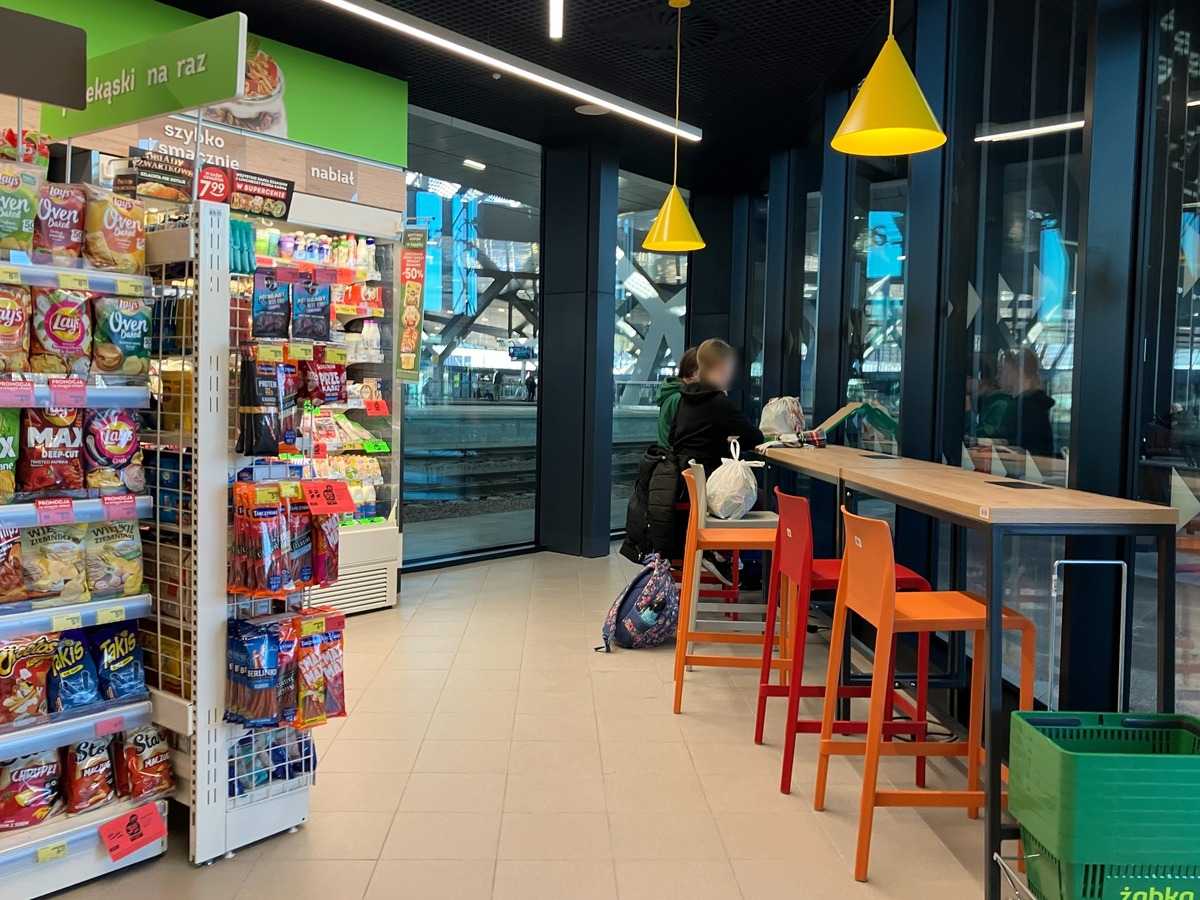
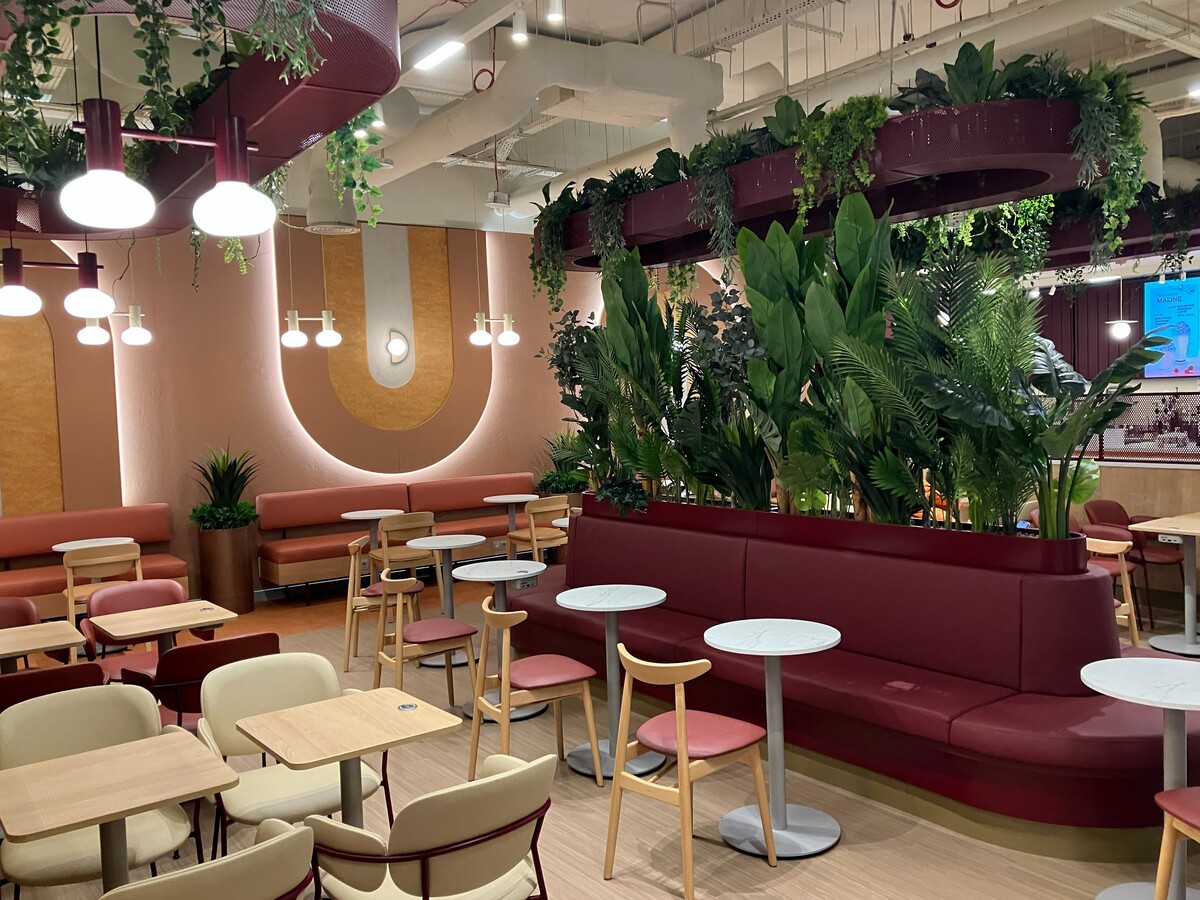
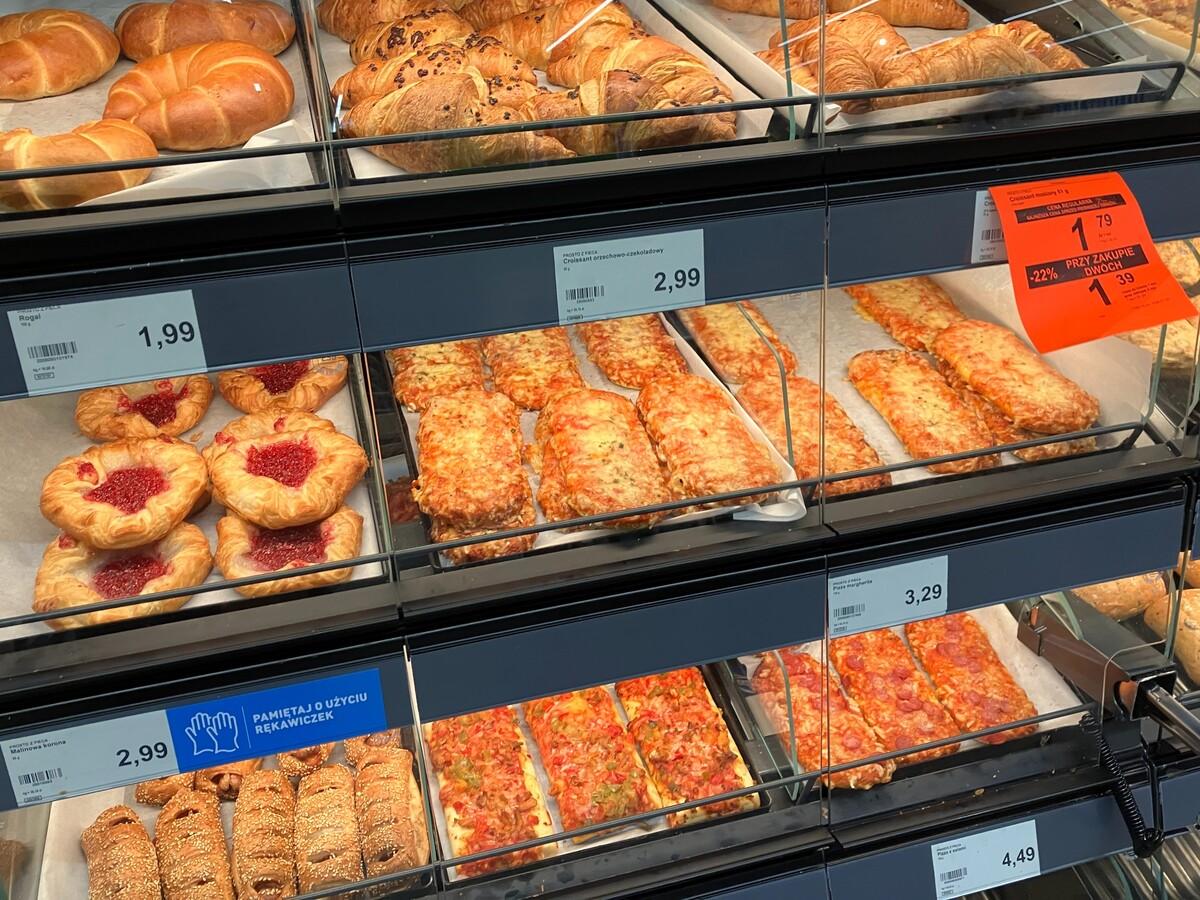
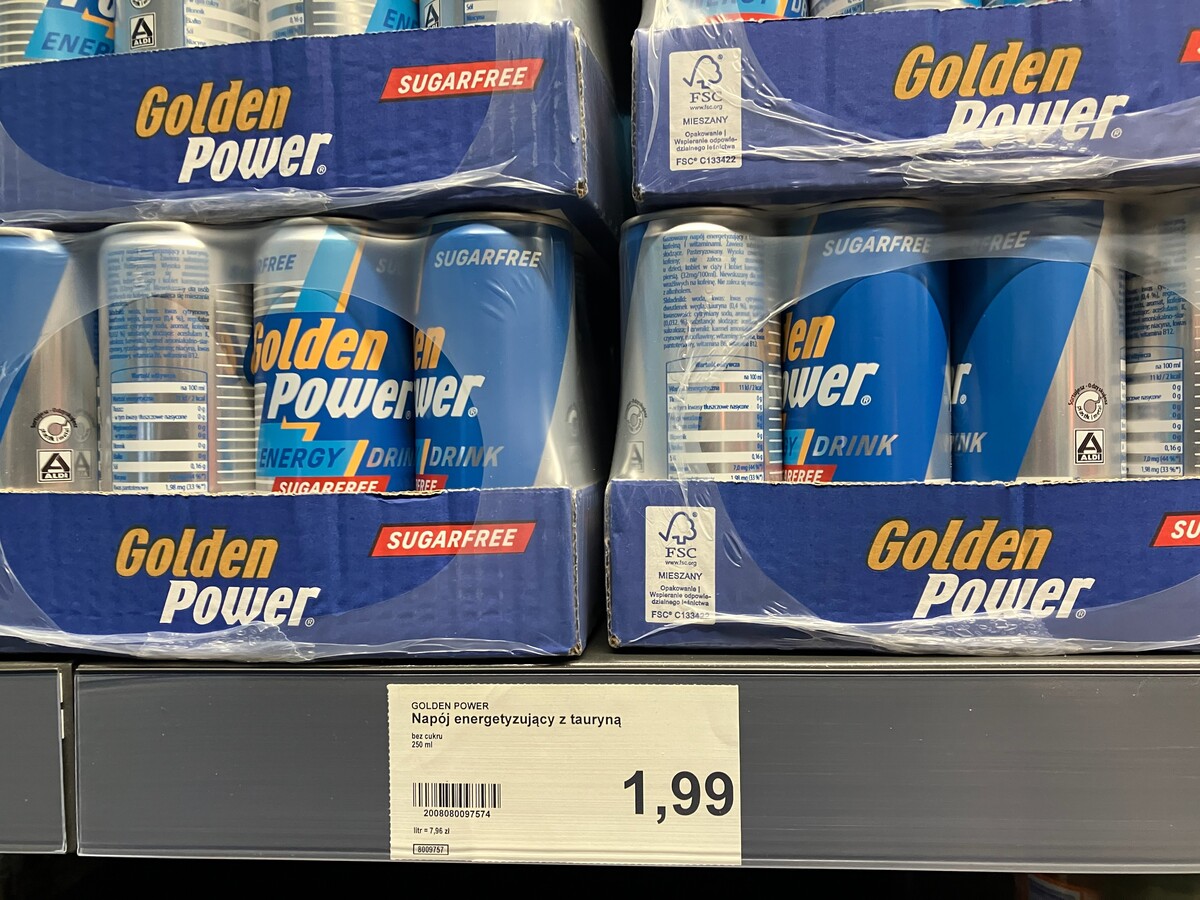
Aldi serves the occasion through a largely unadapted grocery model. Its compact bake-off range and broad private label beverage architecture give it a low-price entry point, but the store remains anchored in standard discount logic rather than a dedicated food-to-go setup. At the opposite end, Costa Coffee is built around on-site dwell time, pairing beverages with prepared ultra-fresh food in the most developed eat-in environment of the four. Between these poles, 1 Minute and Żabka occupy different middle positions. 1 Minute is the clearest grab-and-go format, centered on impulse food, beverages, and speed, while also integrating a dedicated seating area, either as a small table-and-chair corner or as window-facing counter seating. Żabka moves further toward grocery, combining beverages, ready-to-eat products, hot snacks, and a bar-stool bistro zone with a broader convenience assortment.
The four formats show how differently the same occasion can be addressed. Aldi sets the price benchmark and offers the broadest standard grocery range, but is least tailored to the convenience aspect. 1 Minute is the most mission-focused format, built around speed and grab-and-go, though with a narrower assortment and a clear travel-retail premium. Żabka comes closest to an all-round hybrid, linking top-up shopping with hot snacks, beverages, and a modest eat-in offer. Costa Coffee is the clearest foodservice proposition, using prepared food and the most developed on-site environment to differentiate its offer.
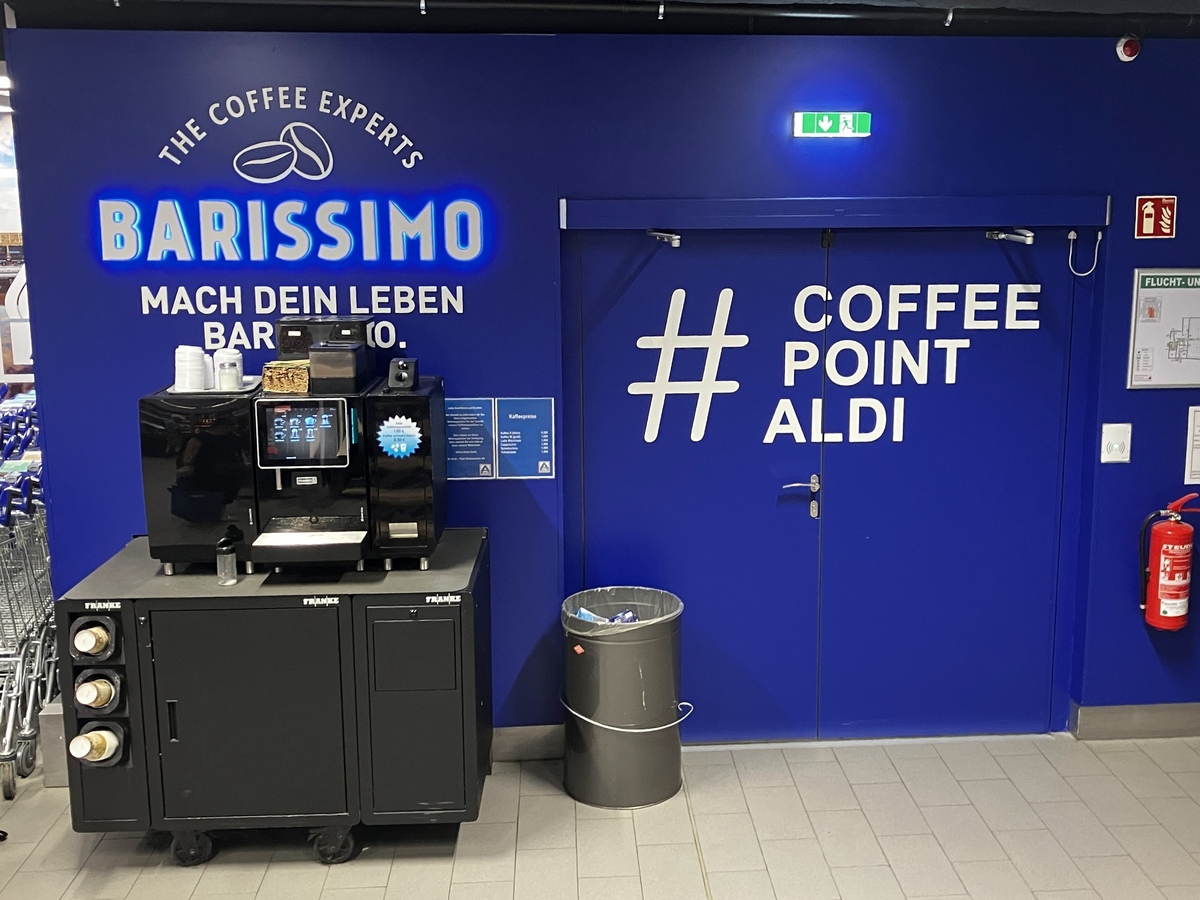
Outside Poland, Aldi is also testing a more explicit adaptation to grab-and-go missions. At Leipzig main station in Germany, the discounter operates a similarly compact store format, but complements it with a self-service coffee counter in front of the cash line, serving coffee made from Aldi private label products.